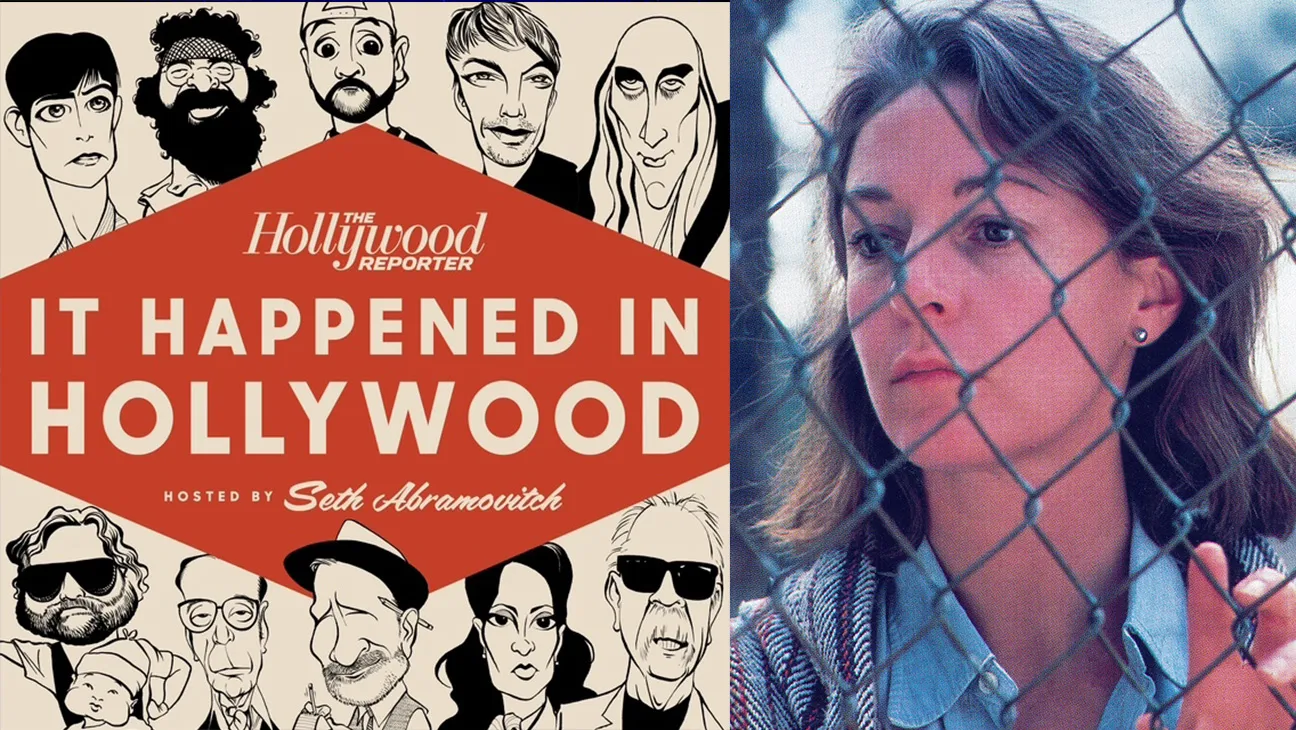
Hollywood tends to turn the end of the world into spectacle. But not in Testament — a 1983 apocalypse drama that imagines nuclear catastrophe not through explosions, but through absence. There are no mushroom clouds nor is there a shouty military response. Rather, it depicts the slow unraveling of a family and a community in Northern California.
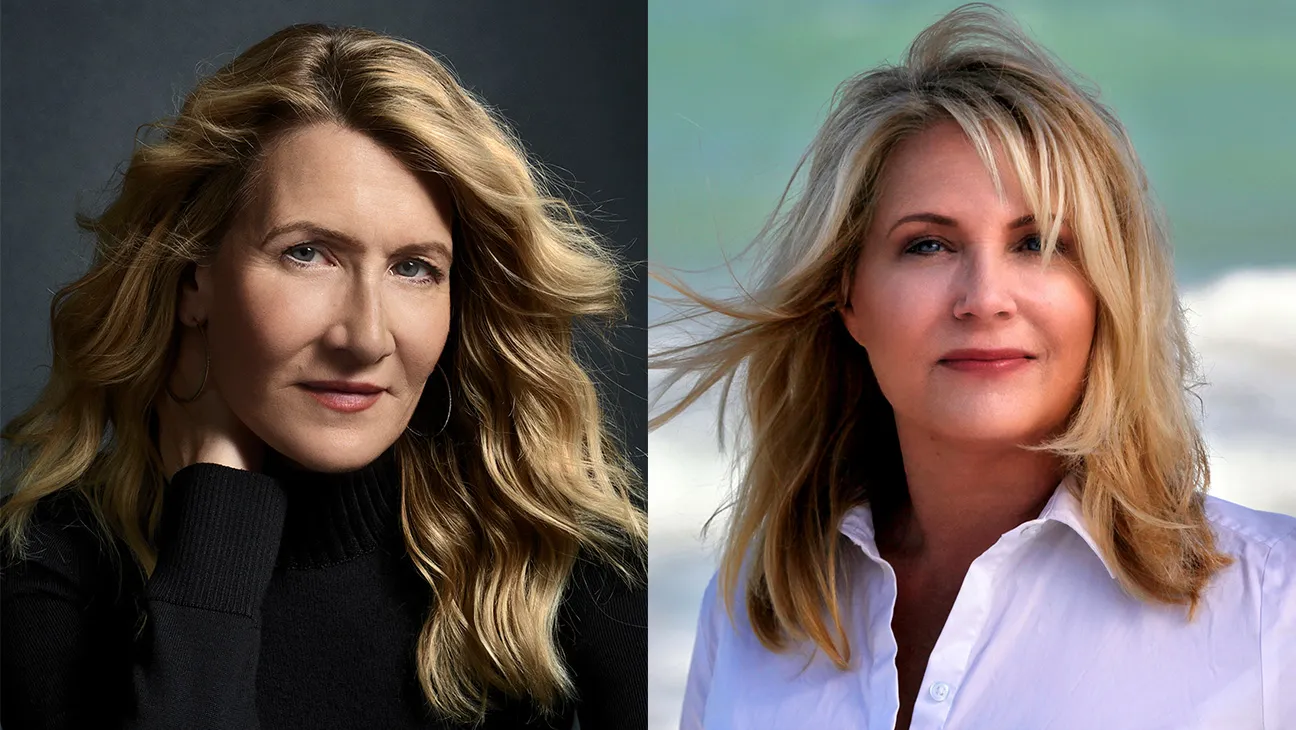
On the season premiere of It Happened in Hollywood, director Lynne Littman and star Jane Alexander, nominated for an Oscar for her performance, revisit the film’s enduring impact, offering a deeply personal look at a project that still feels unsettlingly urgent. The film now joins the Criterion Collection in a new digital restoration supervised by Littman.
For Alexander, the material struck a nerve long before cameras rolled. She recalls recurring nightmares in the 1970s about nuclear fallout, describing how she would “wake up in a cold sweat” after dreaming of trying to get her children home through a contaminated landscape. When the script arrived, the connection felt immediate: “I thought, this is too remarkable… and I said, ‘You bet. Love it.’”
Littman, then a documentary filmmaker stepping into narrative for the first time, was equally shaken by the source material. “I gasped,” she says, recalling how she tracked down the author of the short story The Last Testament and secured the rights before even knowing if she could pull off the film.
That instinct led to a radically restrained approach. Rather than depicting the blast itself, Testament focuses on what lingers. “It’s not about the bomb going off, ” Alexander explains. “It’s about what comes after… how you keep love alive, how you keep community alive in the face of this overriding catastrophe.”
Littman built the film around that idea of quiet loss. “It was about creating the images of what’s precious,” she says. “We can’t lose the breakfast table, we can’t lose singing a lullaby, we can’t lose our neighbors.”
Among the film’s many quietly devastating elements is an early appearance by then-unknown actors Kevin Costner and Rebecca De Mornay, cast as young parents whose newborn is dying of radiation sickness.
Shot in real homes in Sierra Madre with a deeply invested cast and crew, Testament achieves an intimacy that has only grown more powerful with time. Its vision of a community cut off, forced to navigate uncertainty without information or infrastructure, feels eerily familiar decades later.
And for Littman, the fear that inspired the film has only evolved. “The terror then … was that we would be attacked, ” she says. “The terror now … is that we will attack. “
Nearly 40 years on, Testament remains difficult to shake. Not because of what it shows, but because of what it understands: that the true horror of catastrophe isn’t the moment it happens, but everything that quietly disappears in the days and months following.
How did Testament first come together?
LYNNE LITTMAN I didn’t know whether it would make a good film because I’d never made a fiction film before. I’d been doing documentaries my whole life. A friend gave me the story and I gasped. In those days, the writer’s name and location were printed at the end, so I called information, got her number and said, “I’d like to make a film. ” She said, “OK. ” Then I called an attorney. I didn’t know much about casting or anything, but I had the rights.
JANE ALEXANDER I had a recurring nightmare in the ’70s about nuclear radiation. I’d wake up in a cold sweat. My sons and I were trying to get home and people were saying, “There was a bomb. ” It happened over and over again. Then my son brought me this story from Ms. Magazine and said, “Mom, this is your nightmare.” Within days, Lynne called me and offered me the role. I thought, this is too remarkable. I said, “You bet. Love it. “
Why did you decide to avoid showing the actual explosion?
ALEXANDER It’s not about the bomb going off. It’s about what comes after — how you keep love alive, how you keep community alive in the face of this overriding catastrophe.
LITTMAN For me, it was about creating the images of what’s precious and that must not be destroyed. We can’t lose the breakfast table. We can’t lose singing a lullaby. We can’t lose our neighbors. It was everything that would be lost.
The film feels incredibly intimate. How did you achieve that?
LITTMAN We shot in a real house in Sierra Madre. There was something completely organic about it. You walked outside and we shot outside. The crew was incredibly involved – they would even come to dailies, which never happens. Everybody was invested.
ALEXANDER Sometimes everything just falls into place as if there are angels on your shoulder. That’s what this felt like. And Lynne brought such sensitivity to it. Everything is about keeping daily life going — keeping the sheets on the bed. If they’re not on the bed, they’re a shroud.
You were working with a number of child actors in very heavy material. What was that like?
ALEXANDER These were extraordinary kids. They came in with a deep understanding of what the stakes were. Lucas, the youngest, just got it immediately. There was no tiptoeing around it.
LITTMAN I realized you have to cast children for who they are, not who they’re going to become. They have to be the characters already. And we were incredibly lucky. They came in as those characters.
The film also features early performances from Kevin Costner and Rebecca De Mornay.
LITTMAN Kevin had just been cut out of The Big Chill, so he was available. We had a wonderful casting director who brought in terrific people.
ALEXANDER They were exquisite in those roles. They play young parents who are just completely lost. Their baby is dying, and they’re overwhelmed in a way that’s very different from my character, who’s trying to hold things together.
Why does Testament still resonate today?
LITTMAN The fear then for me was that we would be attacked. The fear now is that we will attack. And that’s more horrifying in some ways.
ALEXANDER Everything in the film is grounded in reality. It’s probably what exactly would happen. That’s why it stays with people.
What do you hope audiences take away now?
ALEXANDER I hope people understand it’s not just about death and destruction. It’s about how you keep love alive.
LITTMAN People should not watch the film alone. Please watch it with someone else.
Listen to the episode now and be sure to subscribe on Apple Podcasts, Spotify or wherever you listen to podcasts to catch an all-new season of It Happened in Hollywood.