After spending nearly three months digesting the existential fallout from Netflix buying Warner Bros., Hollywood is reckoning with a different, though still very much existential, outcome: What happens when you put two of Hollywood’s legacy studios under one roof?
One Paramount staffer recounts hearing numerous exclamations in the LA office upon the news dropping, ranging from “Holy f***ing shit!” to wordless screams.
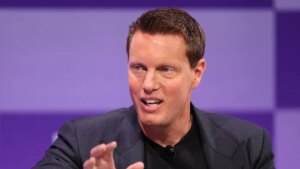
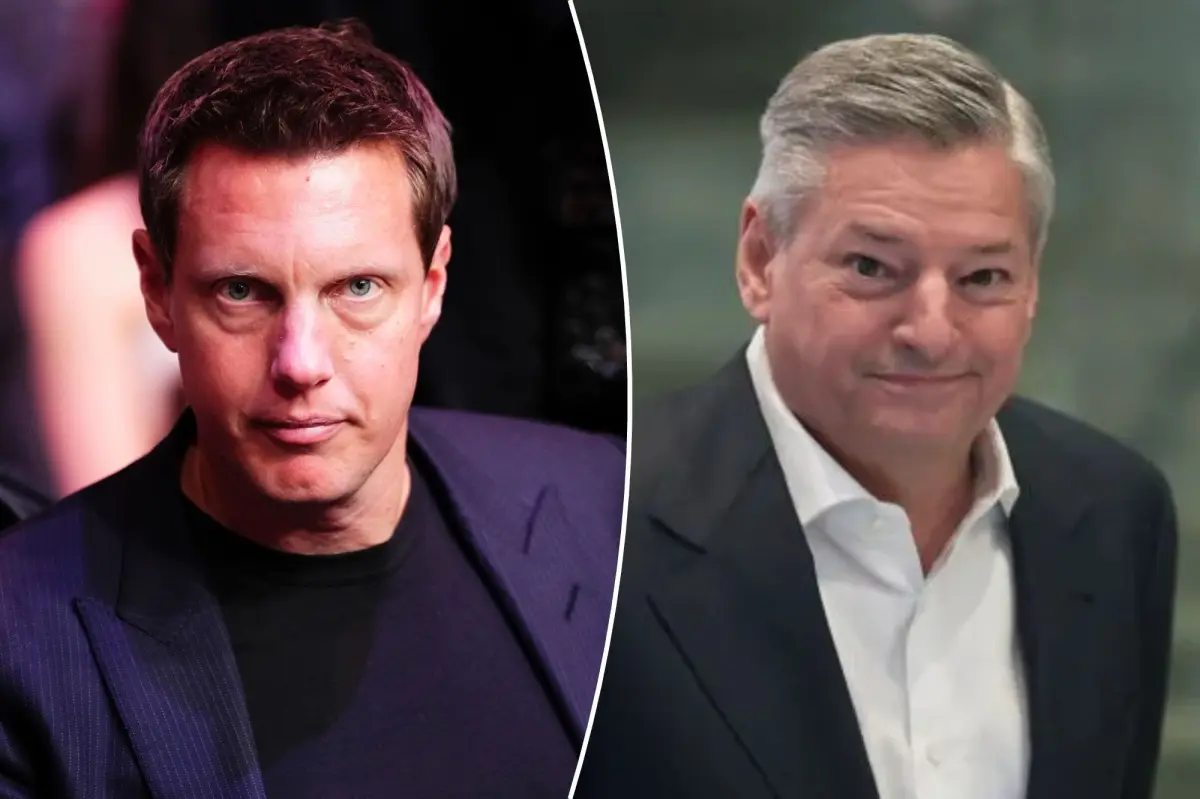
David Ellison, who now appears to be on the fast track to mogul status in record time, is on his way to own both Paramount and Warner Bros., whose history goes back to the very inception of the motion picture industry.
In buying Warner Bros., Ellison accomplishes something that not even Paramount co-founder Adolph Zukor could pull off.


While Ellison celebrates, thousands of employees at both studios will be forced to contend with months of anxiety. The regulatory process could stretch into next year, and the threat of another wide-scale layoff will bring back nightmares of the bloodbath that followed after Disney subsumed 20th Century Fox in 2019.
In the weeks that followed that deal, roughly 4,000 pink slips were handed out, including many top executives.
A merger between Paramount and Warners presents significant operational overlap, much more so than Netflix. Unlike the streaming giant, which didn’t have a robust legacy TV operation or a theatrical distribution business, Paramount and Warners have virtually the same kind of business.
Even Warner Bros. conceded that Paramount’s offer could cause “more substantial losses of employees and talent,” citing $6 billion in “synergies” (which is executive speak for layoffs).
Both Paramount and Warner Bros. boast global streaming services Paramount+ and HBO Max, news divisions CNN and CBS News, and major cable networks including TNT, TBS, HGTV alongside MTV and Nickelodeon. And the biggest overlap of them all is the legacy film studios that represent the beating heart of each company.
Employees from both Paramount and WBD are prepping for a “bloodbath,” with several telling Page Six Hollywood that they hope for a round of voluntary buyouts before things get really ugly. “There are so many overlapping departments, I can’t even wrap my head around it,” another Paramount employee says.
In his bid to buy Warner Bros, which stretches back to September when he first approached David Zaslav, Ellison has promised to keep both Paramount and Warner Bros. robust in their movie outputs.
But if history is a guide, fewer buyers typically results in fewer movies. Since going under Disney’s ownership, 20th Century Studios’ output has shrunk.
One top agent, who described the deal as “the definition of antitrust,” said that both options between Netflix and Paramount were bad, a feeling shared by much of the town.
“It was guillotine or firing squad. For 100 years, no studios were allowed to merge,” the agent said, pointing out the precedent set by Disney gaining clearance to buy Fox. “It’s terrible for our business, terrible for Southern California.”
Tatiana Siegel contributed to this story.