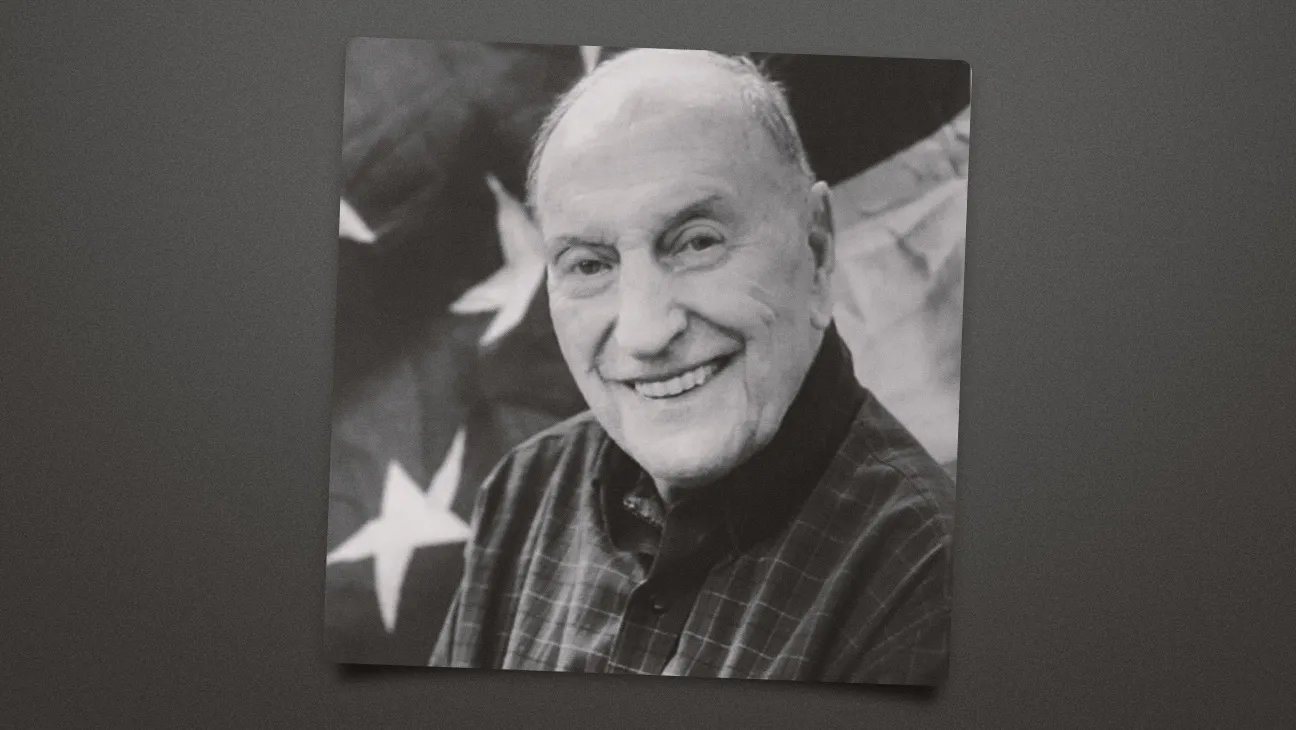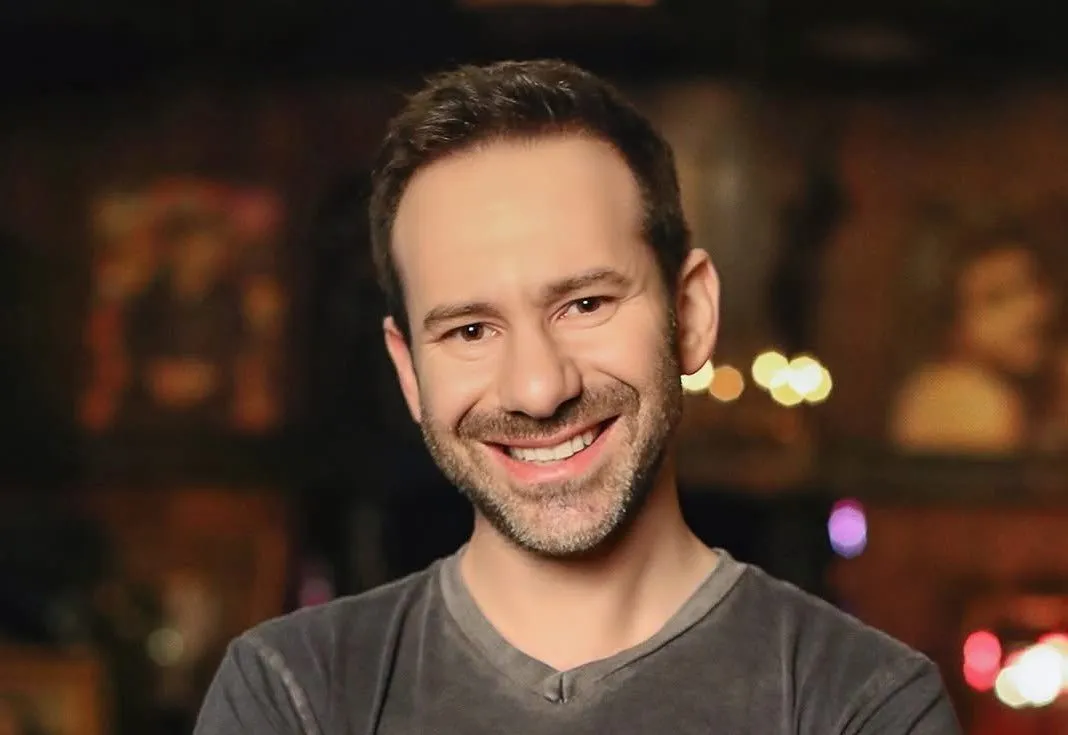
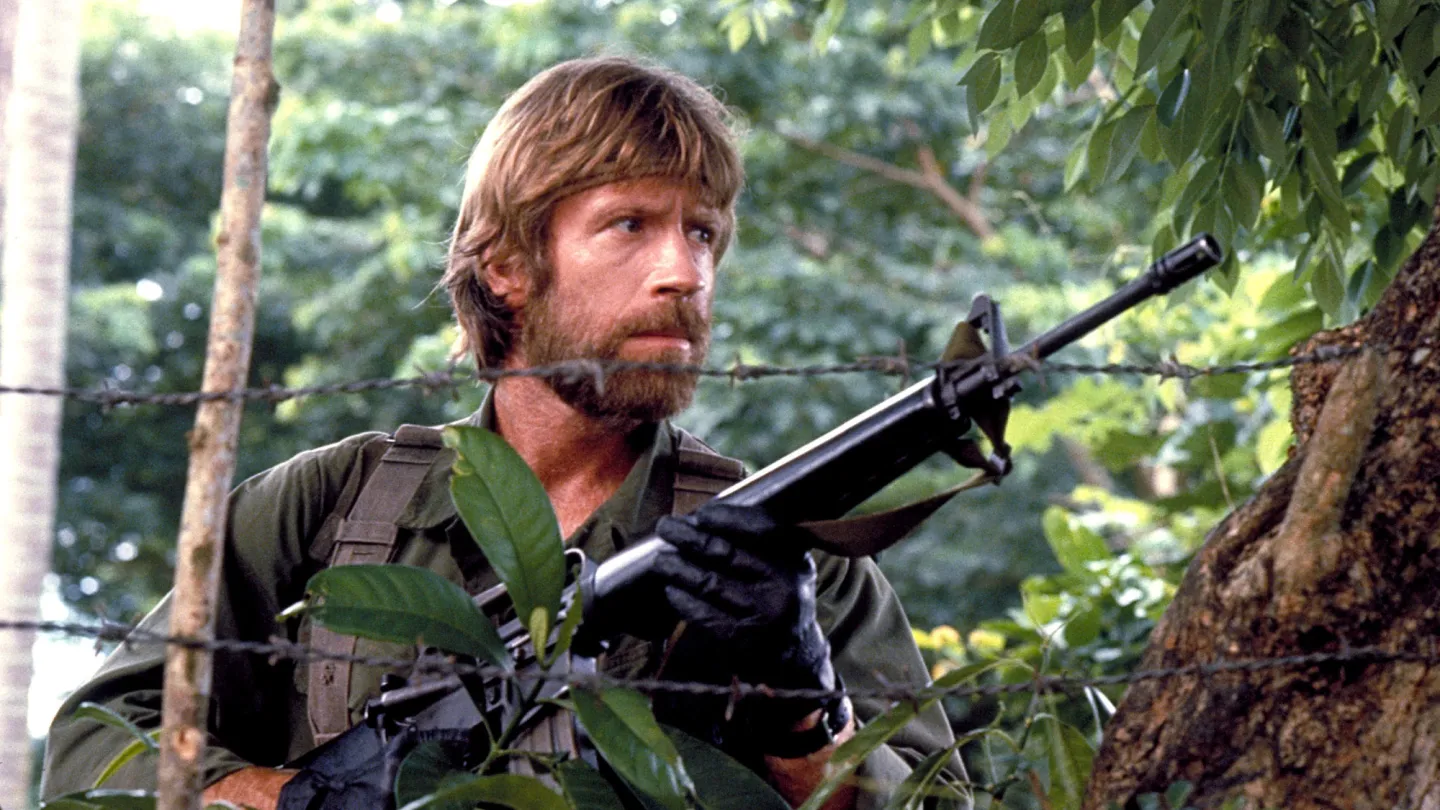
In 2010 I visited Asheville, North Carolina, to cover an inaugural film event called ActionFest, inspired by Chuck Norris and co-founded by his brother Aaron. For three days in the foothills of the Blue Ridge Mountains, audiences turned out to see movies Chuck Norris was in, movies Chuck Norris liked and movies that as far as I could tell had nothing to do with Chuck Norris but that made people spew Chuck Norris Facts anyway.
Having just turned 70 and endured more above-the-neck roundhouses than a human head was built to endure, the real Norris was slowing down and not a major presence at the festival. The people lining up for all-day passes didn’t care. To them Norris wasn’t a personality — he was an idea. And this was an event designed to celebrate that idea.
Norris died last week at 86. Mostly obituaries dutifully cited his long career. In fact it unspooled in three acts, each of which would have been impressive on its own. First came martial arts. Norris held black belts in karate, taekwondo, Tang Soo Do, Brazilian jiu-jitsu, and judo and won a slew of matches beginning in the 1960’s, in the process catching the eye of Bruce Lee and Steve McQueen. Then all those ’80’s action movies, the Missing in Actions and Delta Forces and Lone Wolf McQuades that embodied an era. And finally Walker, Texas Ranger in the 1990’s and early 2000’s.
That last one was sneakily influential. To many critics, the show was a pulp oddity, the late-middle-age act of a star they didn’t think about much in the first place. But Walker was a commercial powerhouse — a nine-season machine that spawned a film, scores of DVD sales, syndication on every other cable network and streaming platform, and broadcast deals in more than 100 countries. More important, it showed that you didn’t need to dominate the water cooler to be popular. At a time when people hashed out ER and The Sopranos, Walker, Texas Ranger was seen globally by tens of millions more people and inspired a lot more hero worship.
That alone would have been a legacy far greater than the (lack of) critical appreciations we’ve seen since his death. But there was actually a fourth act, and it shaped an era that only intensifies today. It starts with those Chuck Norris Facts.
The hyperbolic claims about his strength (“When he left home Chuck Norris told his father ‘you’re the man of the house now”; “Chuck Norris is so tough the dark is afraid of him”) are funny in their own right. But they were a lot more than that. They’re often referred to as some of the first memes, and given how their mid-2000’s popularity pre-dated so much of social media, they were exactly that. The facts hinted at a new kind of cultural participation that hadn’t happened in the century of film, comicbooks and later television that preceded them. No longer were icons crafted and handed to us for worship and monetization. Now we could make them what we want — exaggerate legends, mock their power, create our own mini-satires in which these personalities were really just inadvertent players. The gatekeepers had been handing us sculptures. Now we were demanding raw clay.
No one could even figure out where all these facts began — Conan O’Brien? SNL? The author and Norris expert Ian Spector? But that only underscored their grassrootsiness.
That this kind of inclusion was happening specifically via Chuck Norris was in fact no accident. After all, the actor had already cast exactly that kind of net with his work. Norris made a lot of people feel like they belonged in a movie theater who had never been there before; his films were massive hits with demos who’d never see an Oscar winner or studio comedy. And he made people feel like they were making the movie with him, as they re-enacted his improbable fight scenes and swaggy dialogue on every schoolyard and barstool in America. This was a star whose whole career was based on giving us a stake in the outcome. Chuck Norris the Man starred in a lot of action movies and made a lot of people happy (and money). Chuck Norris The Idea was a far more complex and powerful beast, a tool of cultural participation seldom seen before.
In fact, even how he came to be on the screen in the first place had a convention-bucking quality. Norris was never supposed to be a major Hollywood star: it took a pair of Israeli outsider cousins from the B-movie outfit The Cannon Group to cast him and make all those movies hits, one more example of power wrested from the gatekeepers.
Any dissection of Norris also needs to size up his effect on the culture of masculinity. Walker helped augur an ethos of aggrieved righteousness that would soon dominate everything from country music to Christian movies and, more toxically, would forerrun the manosphere with its aggro-flouting of a perceived feminization of American society. “If I want your opinion I’ll beat it out of you,” Norris would say on the show. It was a funny quip. It also traces a line straight to Andrew Tate.
Through this lens, then, the year 2026 hardly seems possible without Norris. He both encouraged all of us to contribute culturally and then suggested the kind of chippy masculinity that might comprise those contributions.
In recent years it has been easy to forget just how foreign some of these concepts were until Chuck Norris came along. But his death has stirred some reminders. As it inevitably must. In his movies Chuck Norris was neglected, derided, marginalized. But he always had the last kill.