I was bowled over when I first heard Liev Schreiber as the voice of God in A24‘s new documentary series Born to Bowl. I probably should not have been, considering the Ray Donovan star famously and fantastically narrates fellow HBO Sports docuseries Hard Knocks. Also, you’d think I’d have read the press notes.
If Kingpin is the definitive bowling movie (no offense to The Big Lebowski, but their rolling was more of a side quest), Born to Bowl is the definitive bowling documentary. Both are funny, but in the latter, we’re laughing with the bowlers more than we are at them. James Lee Hernandez and Brian Lazarte, also the filmmakers behind McMillions, would have it no other way.
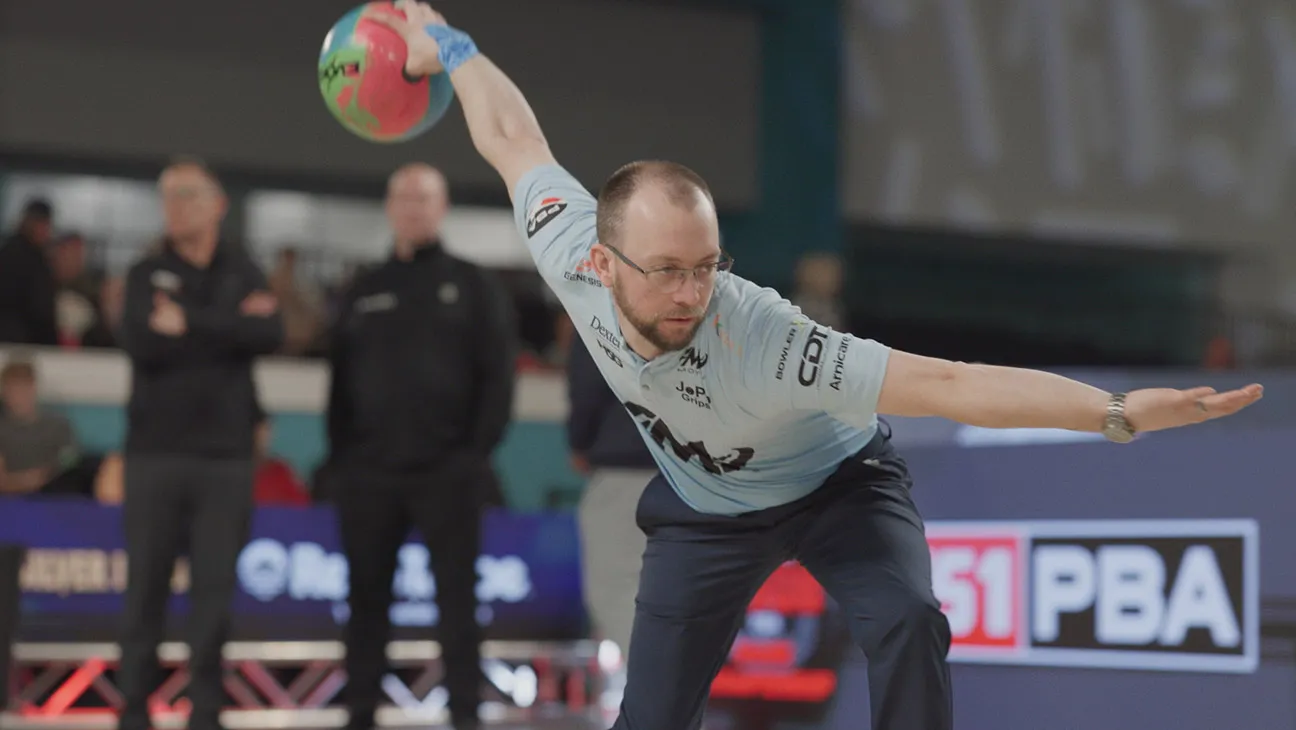
For Born to Bowl, Hernandez, Lazarte and to some degree Ben Stiller (through his Red Hour Productions), followed professional bowlers Kyle Troup, Anthony Simonsen, EJ Tackett, Cameron Crowe and Jason Belmonte around the United States (and Belmo to his native Australian), from their day jobs — most of them need day jobs to subsidize bowling earnings, if there even are any — to major tournaments and not-so-major tournaments.
Read The Hollywood Reporter‘s Q&A with Hernandez and Lazarte — both pretty good casual bowlers in their own rights — below. Hopefully it’s the definitive Born to Bowl interview, even if they didn’t love my first question. Again, you’d think I’d know better.
***
I really enjoyed the series, but I have to admit, the title doesn’t grab me. How did you choose Born to Bowl?
BL: Well, I mean, look, a title is…an ever-work in progress, right? You think about, what is it that you’re trying to say, what is something that applies across the entire series? And when we came back to it, we realized that all of the highest-level competitors in this sport really have made this their life mission. And many of them were really born into bowling. Their parents bowled, their parents owned bowling centers. The moment that they latched onto it, their parents supported them, took them to tournaments all over, and there’s something to be said about this lifelong commitment — it’s like a gymnast or something, like that — you kind of have to start young. And for those who start a little bit later, there are some phenoms that have just made it their life mission. But it also was, you know, quite alliterative, right?
JH: We like alliteration. In some instances, like with McMillions, it was like, ‘That’s it.’ We just knew right away. And in other projects, you just are trying to search for something that both is, like, short and easy to say and also is kind of indicative of what the show is. And then, at a certain point, we were like, ‘Should we just call it the bowling show? Because that’s probably how people describe it to each other.’
How did you get Liev Schreiber to narrate?
JH: Normally, we don’t do narration or voiceover in any of our projects, but for this— there’s so many intricacies to bowling. When we describe what oil patterns are, like, you have to understand what those are to understand why it’s so important.
I had never heard of different oil patterns before the series.
JH: Most people say, like, ‘Oh, well, that guy got seven (pins). I can get seven in my local bowling alley — why is that a big deal?’ But what they’re dealing with is so much more difficult than what anybody deals with. And if you don’t understand that, then you don’t understand why it is so tough, and why each tournament is different, because those patterns change.
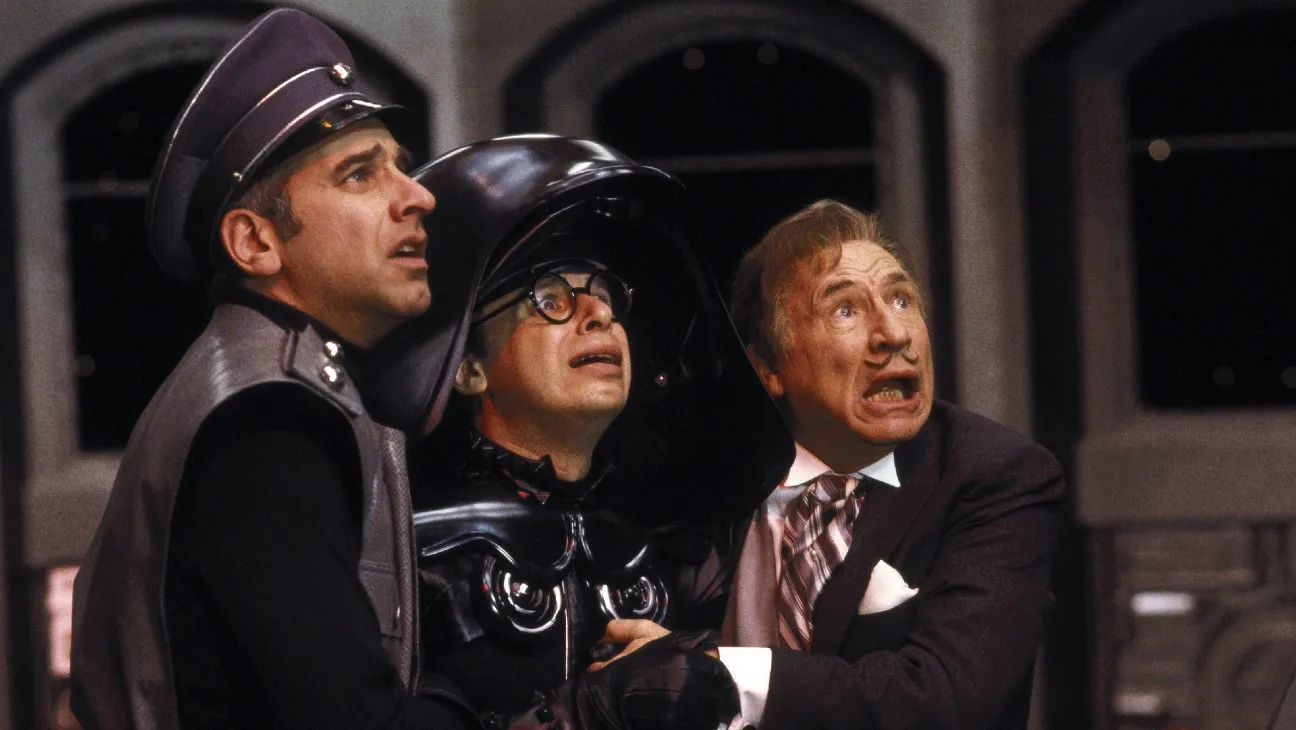
But even the explanation I gave to you right now would put everybody to sleep. So, we decided, ‘OK, we need voiceovers so we can describe oil patterns, what goes into selecting a ball, shoes — how the tournaments work.’ At first we were thinking, ‘OK, maybe we get, like, Bill Murray or somebody— you know, Woody Harrelson, somebody who’s in a famous bowling movie — to do it.’ But at a certain point, we realized, you kind of need the Leslie-Nielsen-in-Airplane! version of it. You need someone that is kind of the straight man in the midst of all these other things to help lay the groundwork for all of it. The idea was floated around of, like, well, Liev does HBO sports docs, and everybody views him as that serious thing — that might be the ideal situation to have him come in. And then, personally, my family, we watch the movie Mixed Nuts every single year at Christmas. I’ve watched Liev Schreiber have great comedic timing and comedic chops — and if he’s good enough for Nora Ephron, I mean, he’s good enough for us.
BL: [Schreiber] watched it, he loved it, and it was a very quick and easy conversation, honestly. And he’s the best, I mean — that voice! I can listen to that voice…
JH: That’s the ASMR I need.
Are you guys bowlers? What are your averages?
JH: I am. I grew up bowling in bowling leagues. I don’t know what my average is now, but when I was bowling in junior high a lot, my average was, like, 175, 185. But, that has drastically dropped now. I’m really good in the 3- to 5-beer range. The high is 224.
BL: I’ve definitely gotten over 200. I don’t have an average, I’m not a league bowler. That’s the great thing about being documentary filmmakers, is that we get to immerse ourselves in a world or subculture and learn about something that you might not know a whole lot about. And my experience bowling was just growing up, going to bowling alleys as a kid — whether it’s a weekend birthday party or just fun with friends — but never really realizing that there was this whole other world of professionals that go out there and do this and grind for four months, and commit themselves to a life on the road where they’re putting money out of their own pocket, living in Airbnbs or hotels, like, three to a room sometimes, knowing that if they don’t win, if they don’t place, they are leaving that week in the hole. A lot of these guys have day jobs. Only the top, top performers actually can make a living with not only winning on the road — prize money — but the sponsors that come along with it.
This is probably not the right word, but there is something romantic about that lifestyle — I think of indie professional wrestlers or low/mid-level stand-up comics. It’s not actually romantic for the people out there grinding away at it, but it’s easy for those of us not doing it to romanticize.
JH: Right, and that is what we looked at when we really dove into the idea of all this. It started as, ‘This is the anti-Drive to Survive. Like, F1 drivers, whether they win or lose, they’re still millionaires, they’re still all hot, young dudes that live in Monaco, and have charmed lives. [Professional bowlers] are chasing a dream, and outside of maybe the top 10, they all have, like, regular jobs to go along with being on tour. And so we were always really taken by that idea.
Everybody wants to see their favorite team win the Super Bowl, or NBA championship, or World Series. But with these guys, if they don’t win, it means so much more — so you’re rooting for them in a way that you wouldn’t root for a regular sports team.

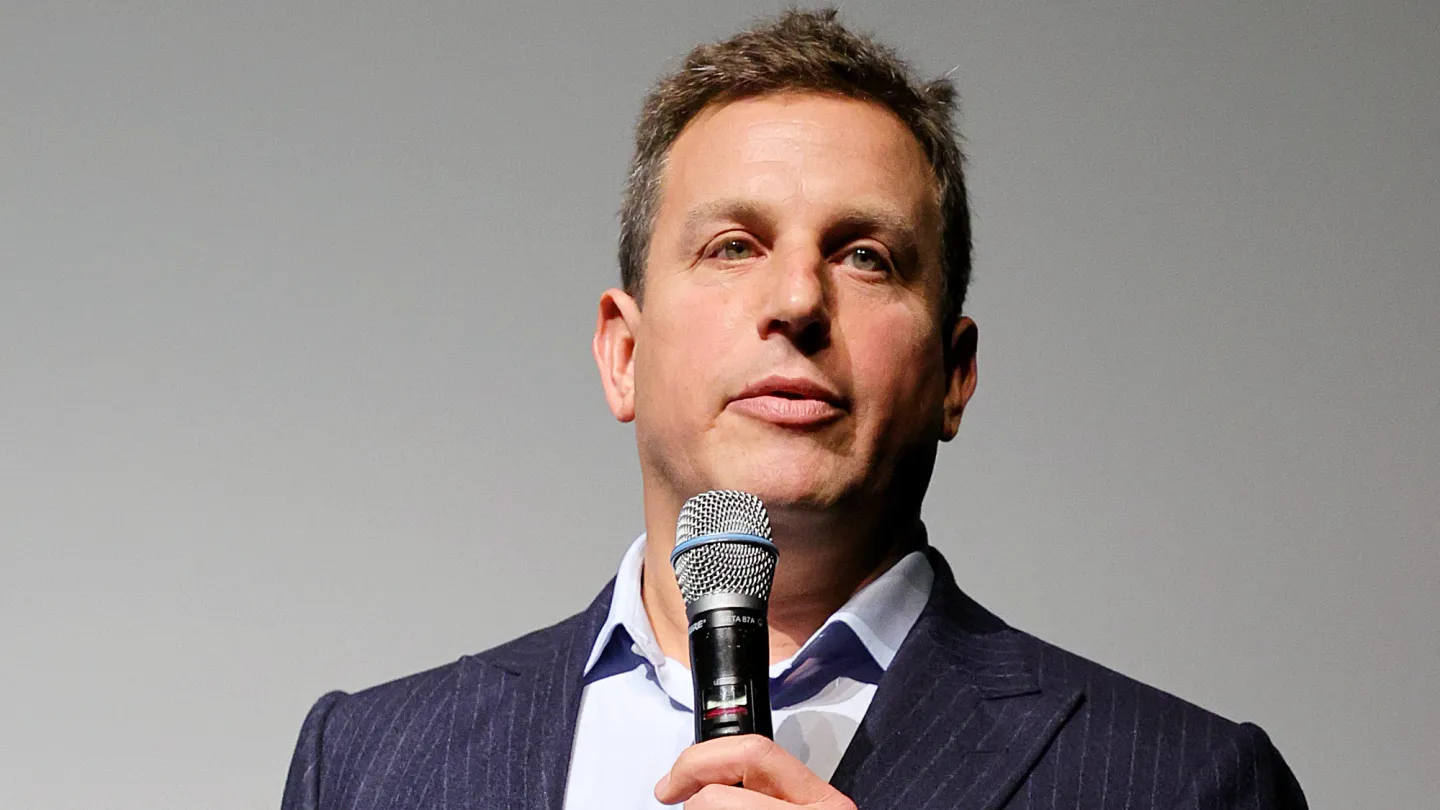
(L-R) James Lee Hernandez and Brian Lazarte attend HBO’s “Born To Bowl” New York Screening at Lucky Strike on March 09, 2026 in New York City.
Cindy Ord/Getty Images
At the end of the series, a vanity card communicates that Fox has dropped the PBA — but another network picked it up. That’s The CW — why didn’t you just say The CW?
JH: It’s because, technically, it’s The CW and CBS. CBS is gonna do the World Series of Bowling this year. It got to the point where, like, ‘OK, how long is this title card going to be?’ In our brains, we really look at it as, like, the dot-dot-dot to, like, tune in to a possible season two, and that’s why.
Your series has a lot of balls jokes, most read by Liev. How many balls jokes is the right number of balls jokes?
BL: We had a whiteboard — kidding.
JH: It’s just, us messing around and unloading the kitchen sink on it and dialing it back from there. When we first started putting them in, we were like, alright, ‘We’re gonna send this in to HBO and see what they think,’ and they were into it. But we dialed it back here and there, and then the other part of it is, we would have temporary voiceover in there. And then when Liev would come in and record, his voice does a whole different thing when you’re trying to say something, so we would then dial some back based on how he would say things.
BL: People think about a bowling show or a film, like, ‘Oh, it’s comedy’ [and] we’re gonna make fun of the sport or the bowler.
JH: There isn’t a bowling movie or TV show that’s a drama.
BL: And so the spirit for us was … yes, you can come in with a certain degree of humor because there is an element of levity in not only the way that some of these characters … come across. But it is not just a pure comedy. We never wanted to punch down, we never wanted to make fun of the sport or any of the guys that have made this their life and livelihood. You can’t do that in a documentary — it’s not fair to them, it’s not fair to the authenticity of what you’re putting out there. So it’s really looking at, like, how do you thread that needle to balance that humor with the heart of the story? And, balls jokes go really far.