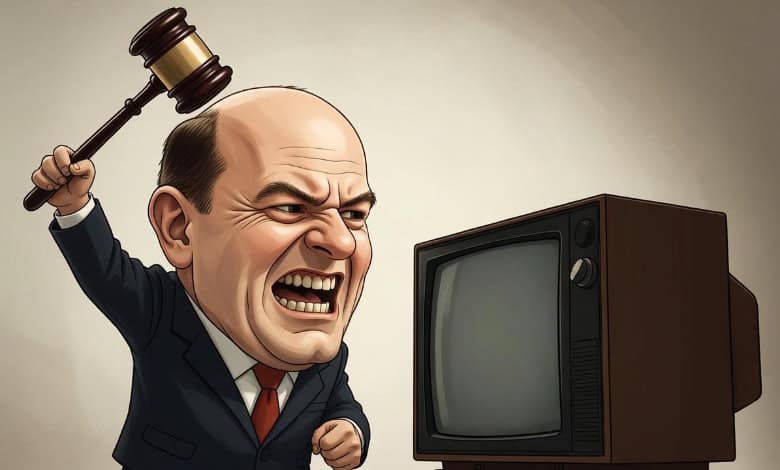
There’s a good reason the FCC can crack down on shows like ABC’s “The View” or “Jimmy Kimmel Live!”
The programs are part of the public airwaves. Existing legislation can moderate that content, to a degree. That explains why “equal time” rules coaxed CBS to punt an interview with Democrat James Talerico to the company’s YouTube channel.
Streamers and cable companies operate under far fewer restrictions, at least in the U.S.
Now, Great Britain is threatening to censor content streaming into the country from the likes of Netflix, Amazon, Disney and more.
The UK government says these companies “will have to comply with broadcasting regulations aimed at protecting children and the vulnerable.”
The vulnerable, you say? That’s a loaded term that can be applied liberally. And, since England has been attacking free speech on social media, the verbiage is nothing less than chilling.
The new rules put streaming content on par with “traditional broadcasters” in the UK.
Part of the measures involves making material subtitled or otherwise available to those with physical challenges. That’s certainly more innocuous.
Otherwise, the new rules can’t help but be a cause for concern across Hollywood. What does “vulnerable” mean? What about a raucous Tim Dillon bit from his Netflix specials? Dillon, like other rebel comics, takes no prisoners in his art.
Could that fall under the “vulnerable” category? Other worrying verbiage includes “protections from harmful material.” Remember when the BBC censored the great British comedy “Fawlty Towers?”
Will more shows get similar treatment? Who decides? And will artists have the chance to argue their case and defend their work?
These questions could and should be catnip to news sites like The Hollywood Reporter, Variety and Deadline. THR covered the story, including another ominous quote from the British government.
Culture secretary Lisa Nandy dubbed the measures “strengthening protections for audiences.” Do audiences need to be protected? Is it like the social media messages that sparked widespread arrests across England and beyond in recent months?
Can a comedian’s act require “protection?” And why does England need a “culture secretary” in the first place?
Scary Poppins would be pleased, but not us.
Hollywood reporters routinely pressure stars on red carpets and other public events to decry President Donald Trump’s actions du jour. Will any query stars about this development, one that more directly connects with their work and expertise?
The answer, of course, is “no.”