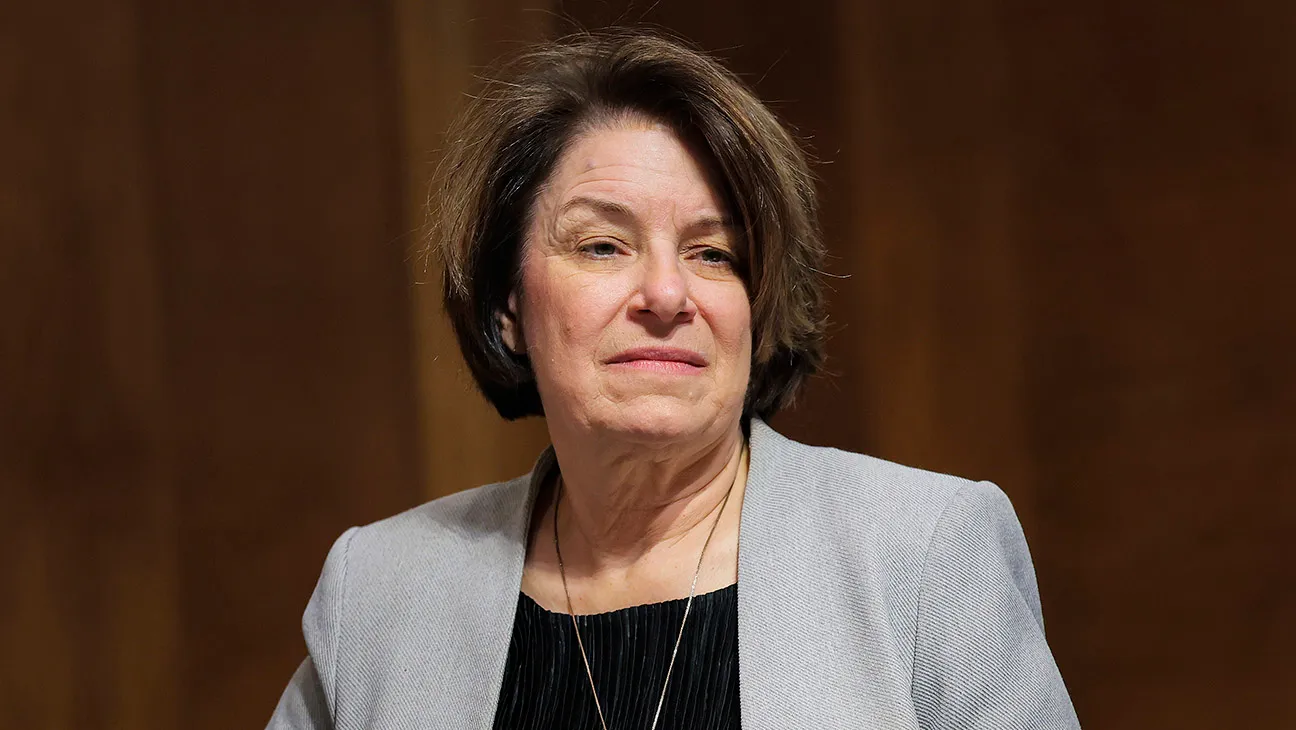
Senator Amy Klobuchar found the Department of Justice’s recent settlement with concert and ticketing giant Live Nation to be so weak that she’s pitching legislation to strengthen settlement procedures going forward altogether.
Klobucher introduced the Antitrust Accountability and Transparency Act on Tuesday alongside fellow Democratic senators Dick Durbin, Cory Booker, Mazie Hirono, Richard Blumenthal, Peter Welch, Sheldon Whitehouse, Elizabeth Warren, and Chris Murphy. The senators argue that the Trump Administration is eroding the antitrust process with “backroom deals” to benefit major corporations and special interests and are seeking reforms to the Tunney Act as an answer.
“When the government prosecutes antitrust violations, the goal should be to uphold the law, lower prices, and protect consumers and small businesses,” Klobuchar said in a statement. “In the recent settlement between the Department of Justice and Live Nation, it is clear the American people got the raw end of the deal.”
Reps for Live Nation didn’t respond to request for comment on the senators’ proposed legislative changes or on their assessment of the company’s settlement with the DOJ.
Last week, Live Nation CEO Michael Rapino called the settlement “a major step in improving the concert experience for artists and fans throughout the United States.”
“Live Nation is proud to lead the way enhancing this experience with our amphitheaters, which will be open to all promoters, allowing these promoters to decide how best to distribute up to 50% of the tickets, and capping ticketing service fees at 15%,” Rapino said. “By giving artists greater flexibility in choosing their promotional partners and ticketing strategy while also keeping the cost of a concert more affordable for fans, we are putting more power where it should be – with artists and fans.”
The proposed legislation would make the Tunney Act, a 1974 legislation that requires federal courts to review DOJ settlements with companies, extend to the Federal Trade Commission as well, with the senators citing the firing of FTC commissioners during the Trump administration. The new legislation would also require more government disclosures on settlements, including explanations on “how the proposed settlement remedies antitrust issues.” The government would also have disclose side-deals, previous settlement offers and “all communications related to the settlement.”
The legislation would also strengthen court reviews on settlements, with courts required to ensure settlements “do not pose a material risk of allowing a merger or other business conduct to continue that threatens to violate the antitrust laws; and are reasonably related to the antitrust concerns, preventing the government from using antitrust as leverage in other, unrelated matters.”
“Under Donald Trump, antitrust enforcement has become a growing cesspool of corruption,” Warren said in a statement. “This bill will protect consumers and workers by making sure the government doesn’t let giant companies like Ticketmaster or HPE off the hook based on influence-peddling.”
Rep. Jamie Raskin, Ranking Member of the House Judiciary Committee, is introducing companion legislation to this one in the House as well.
The proposed legislation arrives after Live Nation and the DOJ reached a March 9 settlement over an antitrust lawsuit during the middle of the trial. The DOJ first sued Live Nation in 2024 and called to undo the decade-old merger between company’s eponymous concert promotion and ticketing Ticketmaster, alleging the company operates as a vertically-integrated monopoly that stifles competition and drives up costs for consumers.
The DOJ’s settlement was much less aggressive, including smaller concessions including Live Nation ending its exclusivity operating agreements with 13 amphitheaters around the country, a 15 percent cap on fees for the amphitheaters Live Nation operates, opening some of Ticketmaster’s tech to competing companies, and a damages payment that would amount to as much as $280 million.
The settlement has been unpopular with Live Nation rivals and critics, who’ve argued the settlement wouldn’t make any lasting changes to the live music landscape. The National Independent Venue Association called the settlement “a failure of the justice system.”
The senators’ proposed legislation also alluded to a Semafor report from earlier this year that suggested that Live Nation settlement discussions before the trial had started were causing a rift in the Justice department, with Trump allies like Kellyanne Conway and Mike Davis helping lobby on behalf of Live Nation.
Alongside the senators themselves, the legislation has endorsements from antitrust figures including former assistant attorney generals Roger Alford, Bill Baer and Jonathan Kanter, the latter of whom oversaw the investigation and introduction of the lawsuit against Live Nation when he was assistant attorney general during the Biden administration.
“These amendments make clear that courts have both the authority and the obligation to do more than rubber-stamp government settlements,” Kanter said. “Antitrust violations should not end in weak settlements that leave the public holding the bag.”
Given how frustrated consumers have gotten with the state of live music in recent years, it’s not surprising lawmakers are keeping their foot on the gas against Live Nation even after a DOJ settlement, seeing the issue as an easy bipartisan win with constituents. Blumenthal released a report Monday from the U.S. Senate Permanent Subcommittee on Investigations, which alleged that Live Nation has had a larger hand in driving up costs than the company claims and encouraged artists to list tickets on the resale market to drive up ticket costs.
Live Nation and Ticketmaster have consistently said that artists set their ticket prices and that more stringent enforcement on the secondary market would be required to keep prices down, as scalpers consistently get tickets and list them for far higher than artists often would. Blumenthal said in the report Monday that Congress should enact price caps on resale tickets.
While the DOJ has settled, the case is still proceeding after Live Nation failed to reach a settlement last week with over 30 of the states that also sued Live Nation back in 2024, including major music markets California, New York and Texas.