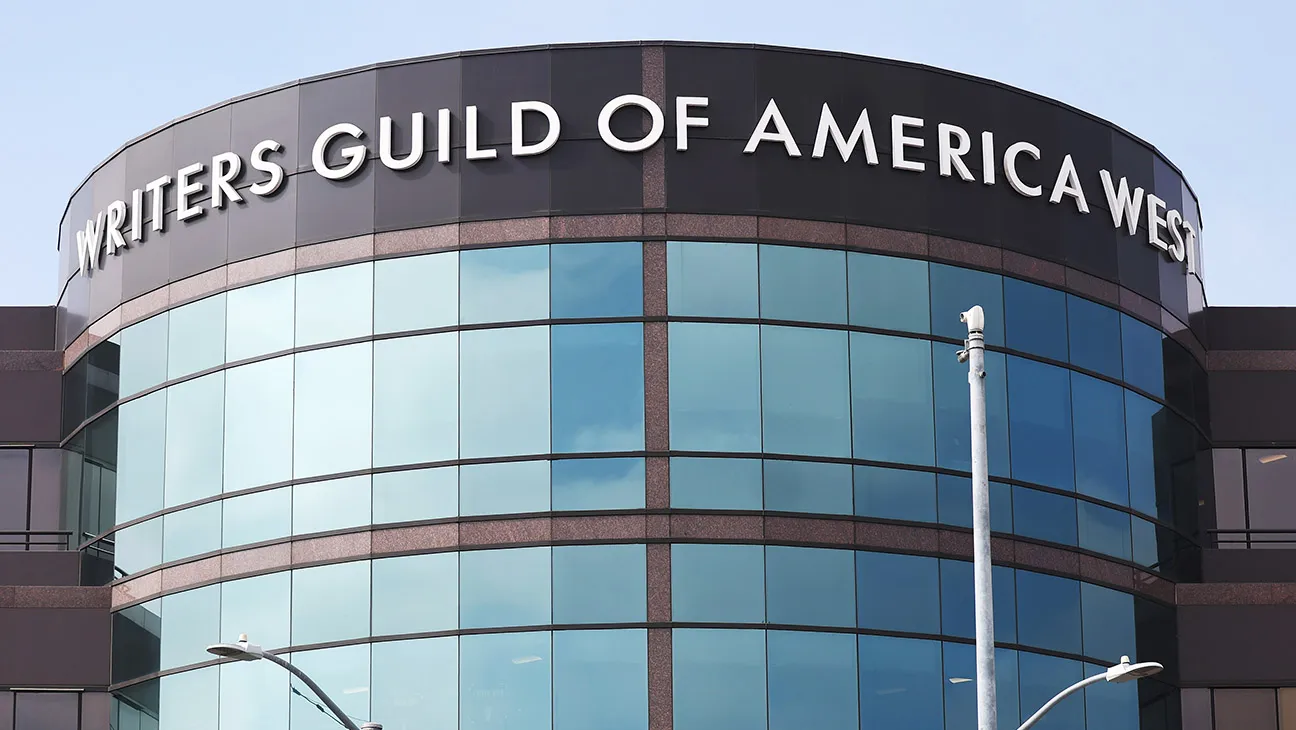
The Writers Guild of America on Wednesday disclosed the details of the four-year deal they reached with studios and streamers the previous weekend, revealing that the tentative contract contains a $321 million infusion into the union’s ailing health plan, higher foreign and domestic residuals and language covering licensing of work for AI training.
The tentative contract also raises minimum payments by 10.5 percent over the course of the four-year deal, sweetens the union’s streaming success bonus and expands the number of screenwriters who are guaranteed a second-step payment.
Writers will vote to ratify the deal between April 16 and April 24.
“Thank you for your support throughout this negotiation,” Guild leaders said in a message to members on Wednesday. “We felt it every day, and this outcome would not have been possible without the strength and solidarity this membership is known for.”
The health plan revitalization, the key issue for writers this round, will come with some cuts to benefits for writers as well. “We also negotiated necessary plan changes, effective in 2027, adhering to goals of preserving choice and keeping out-of-pocket costs for writers as manageable as possible,” the union leaders wrote in their message.
The WGA West board and the WGA East council unanimously approved the agreement when they met on Tuesday.
The term of the contract — four years — is a major departure from the norm, which has long been three years. As THR has previously reported, the AMPTP sought a longer deal term in order to secure greater labor stability following the industry’s 2023 dual strikes. But for the union, a longer deal at a time of industry consolidation and rapid developments to generative AI was always going to be a gamble. The studios were always going to have to sweeten any deal with the WGA in order to convince them that taking such a risk was worth it.
The WGA and the AMPTP officially confirmed that they had reached a new contract deal on Saturday night after multiple outlets, including THR, reported that a tentative agreement had been reached earlier in the day. At the time, the union said only that the agreement “protects our health plan and puts it on a sustainable path, with increased company contributions across many areas and long-needed increases to health contribution caps” and that it “also builds on gains from 2023 and helps address free work challenges.”
More to come.