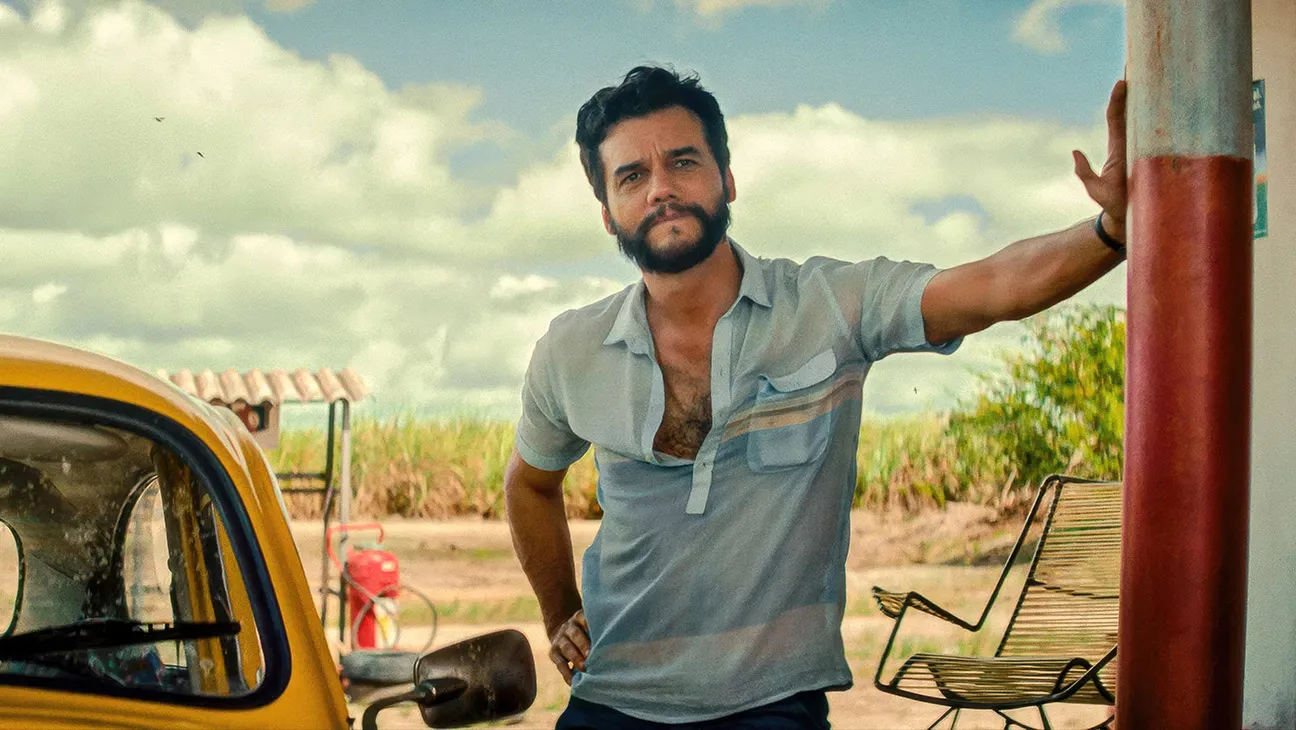
The Brazilian film community is still buzzing over the acclaim they received across the Cannes of 2025. Kleber Mendonça Filho was named Best Director for his The Secret Agent and Wagner Moura was named Best Actor for leading the same film in what were both firsts for a nation that prides itself on its cinema and has done since the industry first took root there in the late 1890s.
Filho’s layered, nuanced political thriller showcased the strength of contemporary Brazilian cinema and built on the success enjoyed globally by veteran filmmaker Walter Salles’ I’m Still Here, which came to the Cannes market last year as the nation’s first-ever Best International Feature Film Oscar winner, and was duly picked up by Sony Pictures Classics for North American and international markets.
Heads were also turned towards Brazil’s role as Country of Honor at the 2025 Marché du and the now industry is determined to keep the world’s focus fixed in 2026.
Brazilian production company RT Features is leading the way this year, with Dominga Sotomayor’s lyrical tale of a woman haunted by childhood trauma La Perra — starring I’m Still Here’s Selton Mello — in the Directors’ Fortnight and the international crime drama, and Brazilian co-production, Paper Tiger, directed by James Gray, starring Adam Driver and Scarlett, in Competition.
The buzz continues to build, and Ilda Santiago, executive director programming and international projects at the Festival do Rio is keen to explain how the domestic industry in Brazil continues to expand in terms of confidence and creativity.

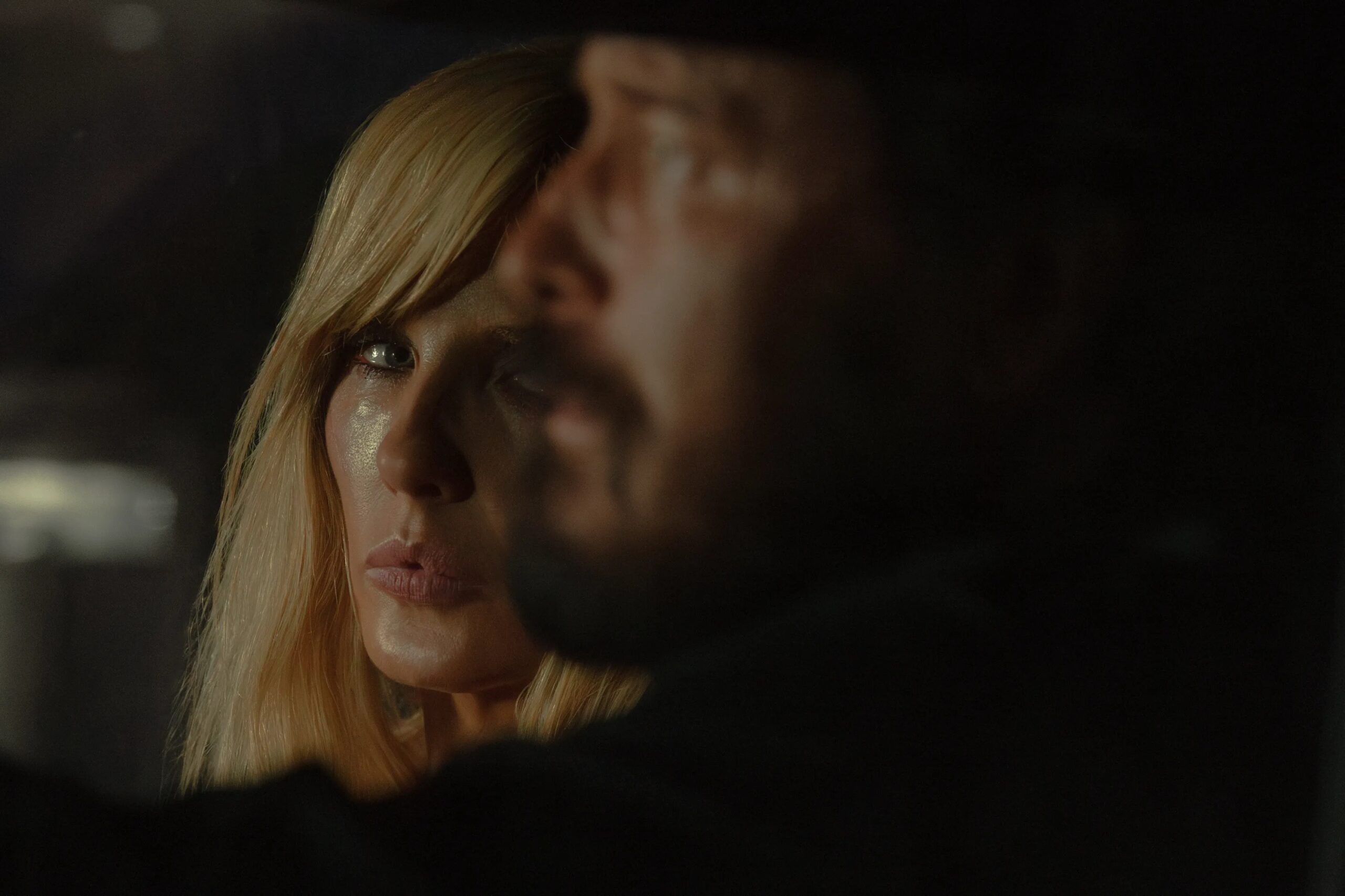
‘The Secret Agent’
Neon/Courtesy Everett Collection
“Brazilian cinema is being regarded in a higher level and has created great expectations for the coming years but we have been around for a long time,” she says. “As much as we might see it as a surprise, it is not. We have lived through bad and good years, in government, public policies and internal issues. However, creativity and the desire to tell stories never failed us, as well as the strength to keep going. So Brazil’s industry became stronger and more resilient and now we can be more confident that our stories do have an interest for the world.”
There’s a full schedule of screenings and events along the Croisette this year that Santiago believes will support those claims. With the support of RioFilme, Santiago and her team are, for the second year running, bringing five projects in post-production stages to be presented in the Goes to Cannes program on May 15 — all hoping to emulate the success of Cíntia Domit Bittar’s project Virtuosas, which claimed the initiative’s top prize in 2025.
This year’s slate includes Jeferson De’s biopic Carolina Maria de Jesus and Jo Serfaty’s eco-themed drama Beyond the Edge — both Brazil-France co-productions — as well as the Maju de Paiva-Bernardo Florim-directed horror Days of Fire, Thais Fujinaga’s family drama Talented, and the Fábio Mendonça-helmed thriller The Character.
Festival do Rio
Other Brazilian initiatives include the Dejeuner Carioca lunch — also on May 15 and hosted by Globo, Festival do Rio and RioFilme with the aim of providing a platform for networking. It’s invitation only and will feature speakers including Santiago, Alex Medeiros and Gabriel Jacome — respectively director of drama, documentaries, and film, and director of TV content at Brazilian broadcast giants Globo — and Leonardo Edde, RioFilme’s president director.
Festival do Rio is also behind the Matinee Bresil program on May 18 — with support from Globo, RioFilme, Spcine, Embratur, and the Ministry of Culture of the Brazilian Government — and it will feature a day full of panels and presentations as the organization “continues the strategic efforts to position Brazilian audiovisual content on the global stage.”
Stantiago is, of course, keen to talk up the attractions of her home city, too, after it was used as a backdrop for Sales’ I’m Still Here, and for other locally produced classics including City of God (2002) and Salles’ Central Station in 1998. The locals will tell you Rio is Brazil’s cinema city, and Festival do Rio’s fact sheet tells us 10 per cent of Brazil’s cinemas can be found in the city, serving 16 per cent of the overall market, and up to 1.46 million viewers.
‘Im Still Here’
“Rio de Janeiro has always been at the heart of Brazilian cinema,” says Santiago. “It was a meeting point for the great energy and talent during the Cinema Novo movement, a time of cultural effervescence in Brazil which drastically changed our perception of the world — and of ourselves — in the 1960s. Over the decades, Rio has become a recognizable postcard for Brazil, and the backdrop for a slew of productions and for the discussion of Brazilian cinema’s politics.”
That creative legacy, Santiago argues, is now a competitive advantage. “It’s a city which reflects the country’s social contrasts and its diversity. A city which has created passion and fantasy across the planet. Rio continues to be a creative hub, with a strong audiovisual ecosystem that includes production companies, studios, and talent. Rio is a great location but goes much beyond it.”
It’s also a city keen to welcome international filmmakers — having been used in the past for blockbusters like Fast Five (2011) and The Incredible Hulk (2008). Rio boasts a number of major studios and last year hosted 28 international productions. Meanwhile, the official claim is 90 percent of the country’s office revenue came from films produced in the city from 1995 to 2024.
Incentives include an injection of the equivalent to 30 percent of audiovisual production expenses by RioFilme into “eligible expenses within the city of Rio de Janeiro” while “for production proposals where the city of Rio de Janeiro is the main location, the amount invested by RioFilme may correspond to 35 percent.”
“Riofilme — through the Rio Film Commission — offers a solid cash rebate and the logistical support for any production,” explains Santiago. “From locations to studios and high-level equipment: it’s all here. We are eager to welcome crews and creatives from all over the world and from other parts of Brazil. Special co-production agreements can also be considered depending on the project.”
The results are starting to show.
Adds Santiago: “Rio has ranked high [globally] on the number of shooting days over the last years and the number of international productions coming here to use the city in different locations is growing. We are working on making Rio the preferential hub for audiovisual, in the same way that it is a strong reference for Brazilian cinema globally.”