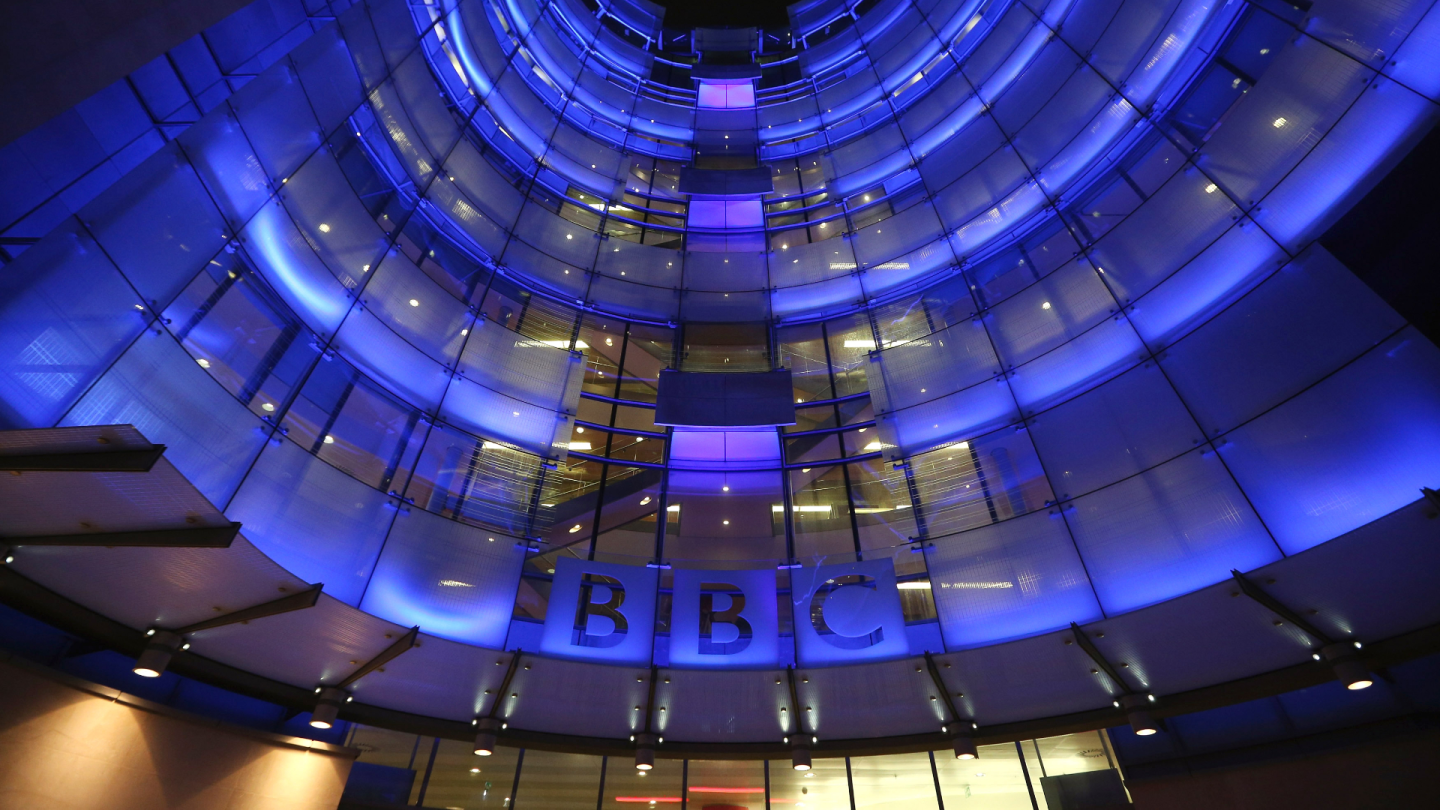
The BBC is set to slash its workforce by almost one in 10 people.
The move, described as the broadcaster’s biggest scaling back in 15 years, is going ahead in a bid to tackle “significant financial pressures.” It’ll mean between 1,800 and 2,000 jobs are cut.
Staff were reportedly informed of the news on Wednesday afternoon in an all-staff meeting, with interim director-general Rhodri Talfan Davies expected to confirm the redundancies. The news comes before former Google executive Matt Brittin takes the reins in the top job in early May.
The BBC needs to save £500 million ($678 million) over the next two years, and Davies did not rule out axing entire channels or services. “We need to look at everything, and at a scale of £500m inevitably there are going to be some big and some difficult choices, but we do need to step through this carefully,” he told BBC Radio 4’s Media Show on Wednesday.
He recognized the cuts would be “really difficult news” for staff. An email sent to all employees from Davies read: “As you know, the BBC is facing significant financial pressures, which we need to respond to with pace. Put simply, the gap between our costs and our income is growing. This is being driven by a number of factors: production inflation remains very high; our license fee and commercial income is under pressure; and the global economy remains turbulent.”
The interim boss suggested that cost-cutting plans would also necessitate tighter controls on spending in recruitment, travel, management consultancies, as well as attendance at conferences, awards and other events.
Philippa Childs, head of British broadcasting union Bectu, responded to the news that “cuts of this magnitude” would be “devastating for the workforce and to the BBC as a whole.”
Brittin, who takes over from Tim Davie following a slew of editorial blunders — including that edited Trump speech — will no doubt face more financial crises as the BBC attempts to undergo radical reform.