
Many in Hollywood are trying to digest the flight of U.S. film and TV productions from the country, and all the unemployed entertainment workers that have been left in its wake. It turns out Conan O’Brien is one of them.
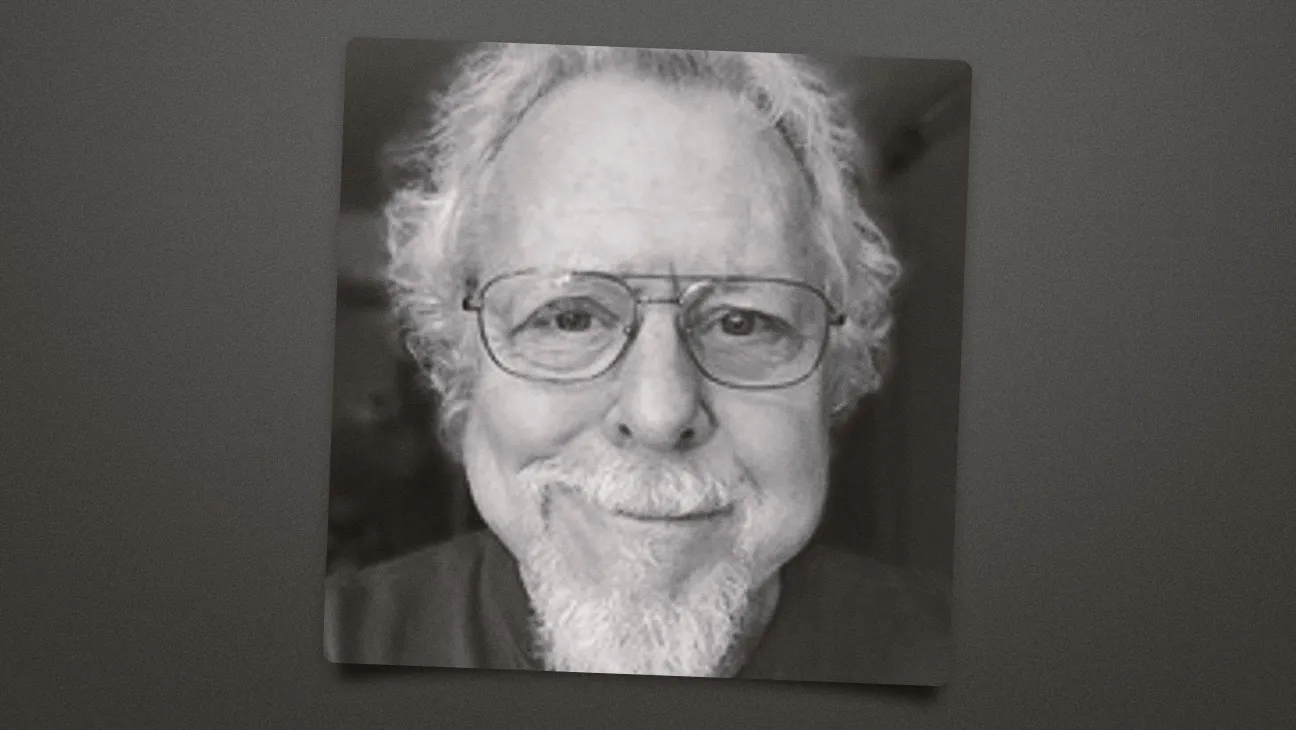
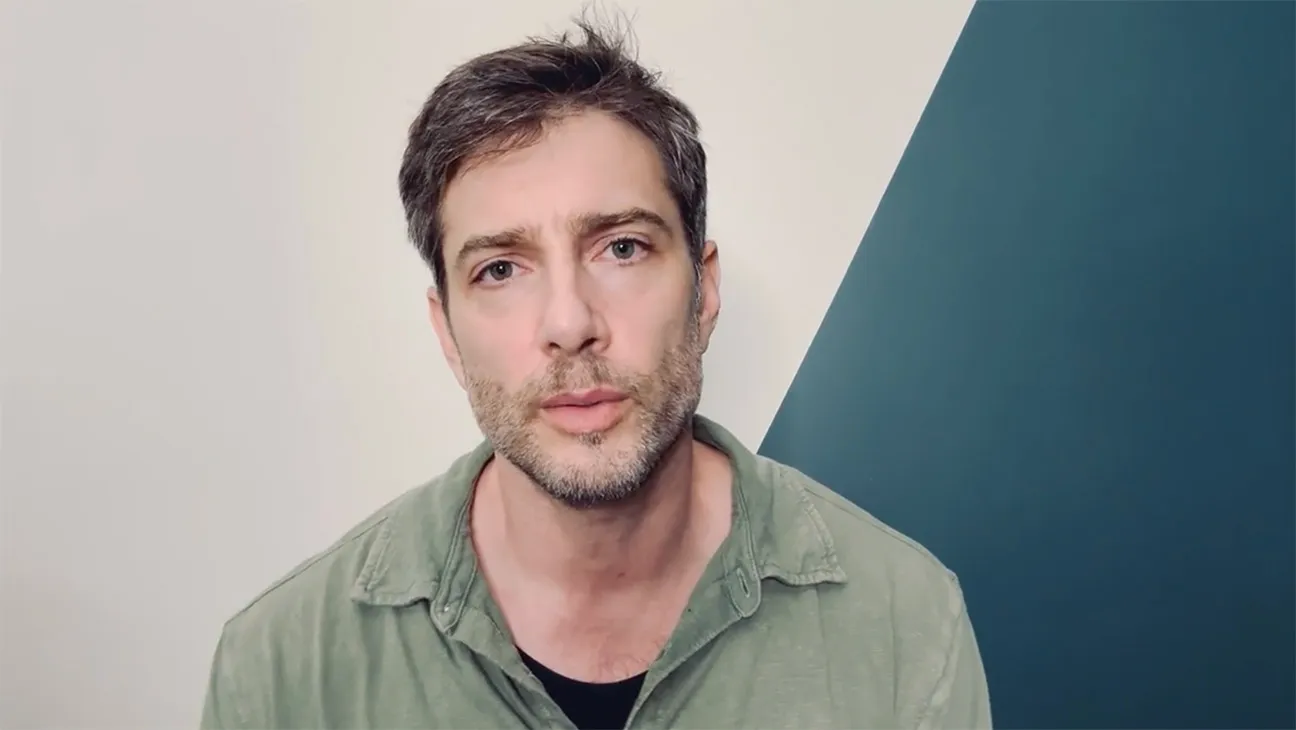
The late-night host-turned-podcast extraordinaire turned his attention to the offshoring of American production work in a recent podcast appearance with executive producer Jeff Ross. Mulling the discrepancy between the bevy of shows available on streaming services versus the number of people they personally know who are unemployed, O’Brien and Ross centered on the volume of shows being made overseas.
But ”I don’t think it’s the whole problem,” said Ross of the overseas production. “I think things got really expensive and out of control in this country, in this town, of all places.”
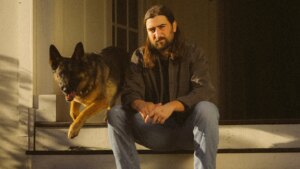
O’Brien pointed to a recent bit he pitched for the 2026 Oscars as an eye-opening moment for him. He had a vision for “quick, silly visual” where he would be backstage during a commercial break “rolling on the floor with nine golden retrievers.” He explained, “I’m rolling on the floor with nine golden retrievers and the band plays and then you hear ‘Ladies and Gentlemen, once again your host, Conan O’Brien.’ And then I leap up and a team of a whole bunch of people with giant lint brushes roll me really quickly and I step out onstage and go ‘Hi everybody, cinematography.’”
A producer, he says, quickly told him the idea would be “incredibly expensive” because, they told him, “Well the rule is each dog has to be acclimated with the other dog, so they all have to live together for like two weeks, before they can be on camera together. And if they’re living together all their handlers have to live with them too.” The cost, Ross recalled, was going to something like $30,000. “I think it was more than that,” O’Brien said.
O’Brien added, “In that moment, with the golden retrievers, I thought, ‘Oh, this is a concrete example of something that’s happening that’s making me think, ‘I see why people go to Budapest to shoot something.’”
While the sentiment seems to indict L.A.’s bureaucratic culture, the only catch is that there isn’t such a clear-cut rule. That’s according to a knowledgable Teamsters source consulted by The Hollywood Reporter about O’Brien’s comment. “I don’t believe that’s a rule at all. Well, it’s not a regulation of any kind,” says Teamsters Local 399 political coordinator Ed Duffy, whose union reps animal wranglers and trainers. “I think the animal trainers probably feel like that’s what they have to do to make it work and train the animals safely and make sure the performer is protected.”
In other words, a trainer might ask for such a time period or personally require it to acclimate the dogs and train them to do all the proposed actions on cue (in this case, on live television) and keep the performer safe, but Duffy wasn’t aware of a specific federal, state or local regulation on the books.
Less formally, the American Humane Society, which provides the “No animals were harmed” certification for film and television productions, does call for animals coming from different facilities or locations to “be properly acclimated and introduced to each other under supervision to prevent any stress or injury due to compatibility problems” but doesn’t provide a timeline.
What is also true is that the U.S. does have a strong animal activism culture that has played a role in changing the norms for animals on set. Wild animals used to be more frequently used in film and television, for instance, but have largely been phased out due to pressure from animal welfare groups. It’s never simple (and often expensive) for live animals to be used on a film and TV production in the U.S.
And the gist of O’Brien’s argument, that onerous and expensive rules and regulations can dissuade productions from filming in any one place is accurate. “It’s all this stuff that gets built in over time, these different rules,” he said. That’s an issue that, at least in L.A., Mayor Karen Bass, Councilmember Adrin Nazarian and grassroots activists are all tackling. It’s even become an issue in the 2026 mayoral campaign.
But maybe a clearer example of the phenomenon would have been the fact that, until very recently, all productions, no matter the size, had to pay a flat fee of $931 to apply for a permit to shoot in L.A. Now, at least, a six-month pilot program allows for the tiniest of productions to apply for a cool $350.