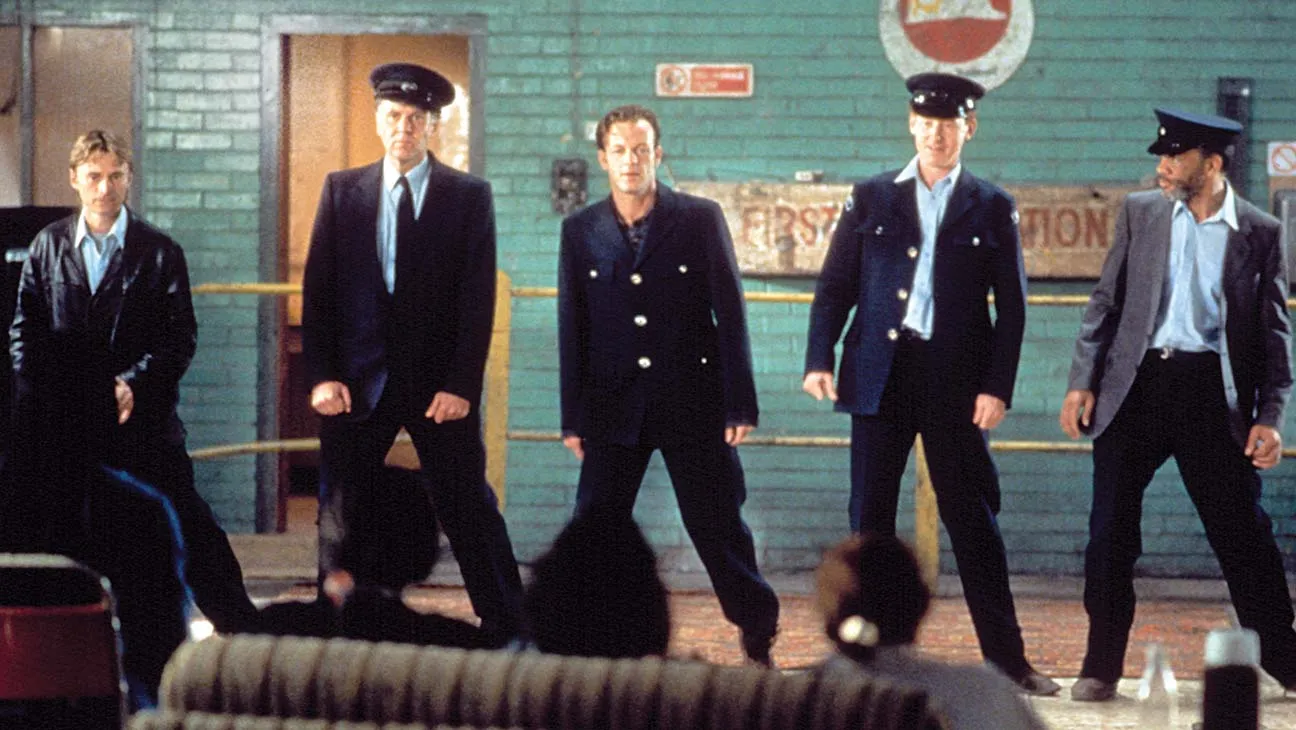
The entertainment industry understands better than anyone that a brand is only as good as the experience it delivers. We spend billions ensuring that every frame, every note, every performance, matches the promise we make in the marketing.
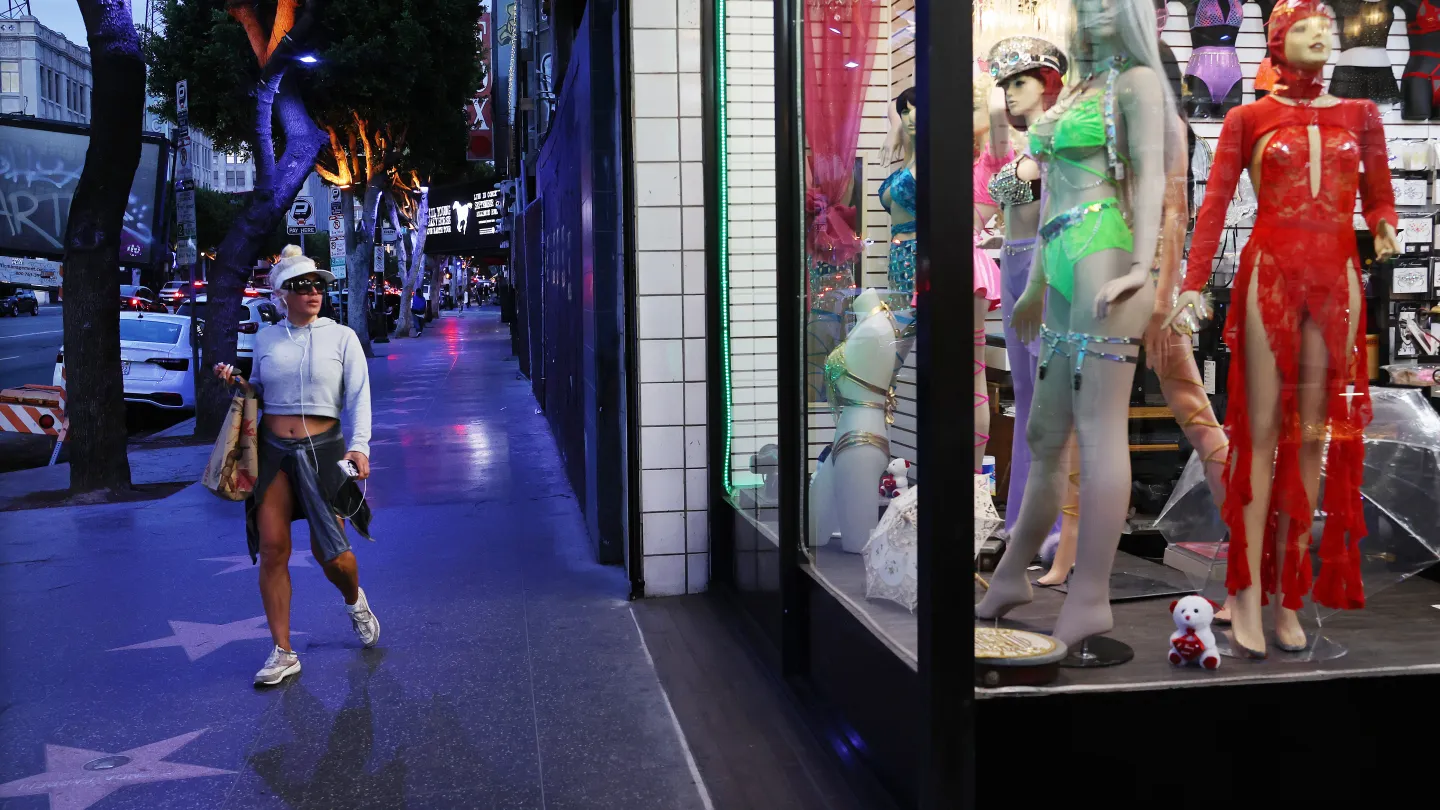
And yet when it comes to the one street on earth that carries that industry’s name, Hollywood Boulevard, we shrug and accept a broken experience. If we ignore the ringing phone long enough, we think, it will stop.
As a candidate for Los Angeles City Council, Council District 13 serving Hollywood, I’m here to say we need to pick up that phone.
I’ve worked in Hollywood — the neighborhood — for thirty years. I tended bar at the Gaslight then Opium Den on Cosmo and Selma for eight years in the ’90s. I lived next to the Army Surplus store at Vine and Santa Monica. I built a nonprofit educational agency for the homeless at Hollywood and Wilcox. I located my second company’s office at Sunset and Vine. I managed the intellectual property rights for the Hollywood Sign and the Walk of Fame stars. And I can tell you something that should alarm everyone whose livelihood depends on the Hollywood brand: Hollywood Boulevard feels more soulless and dangerous now than it did 25 years ago. This isn’t just a neighborhood problem. This is a brand catastrophe.
The Oscars, of course, just called us out. Last month, the Academy announced that in 2029 the Oscars will leave the Dolby Theatre on Hollywood Boulevard and move nine miles south to downtown Los Angeles. The Dolby was built specifically for the Oscars, designed from the ground up, columns lined with the names of Best Picture winners, every inch of it engineered to host the most watched night in entertainment. The Academy has called it home since 2002. Now it’s leaving. The world’s most famous street stamped stars into its sidewalk and let the creativity drain out of its walls.
Hollywood Boulevard has been “reimagined” by its political leadership more times than most franchises get rebooted. Consultants hired, community meetings held, glossy presentations delivered. Beautiful renderings, thoughtful language about pedestrian‑friendly streets and activated public space. And then the plans sit on a shelf, because nobody wants to do the hard, unglamorous work of fighting with property owners, pushing back on bad tenants, or making the politically uncomfortable decisions that would turn renderings into reality. We get another round of deck chairs rearranged, and we call it progress.
The question now is what to do about it. All of the previous plans share the same fundamental flaw: they treat design as the solution instead of recognizing that design is just the frame. You can narrow every car lane, add every bike rack and parklet, hang string lights all over the street and if there is still no reason for people to be here, you will end up with beautifully designed emptiness. The reason Hollywood Boulevard is broken is not that the street configuration is wrong. It’s because we’ve only ever imagined it for people who show up, take a picture, and leave.
Hollywood Boulevard currently operates on a ten‑to‑one ratio: ten tourists for every person who lives or works here. We need to shift that ratio to five‑to‑five: five parts visitor, five parts resident. That means bringing creatives back to the Boulevard. When Second City had a space on Hollywood Boulevard, you could watch actors rehearsing their lines right there on the sidewalk. That’s the energy people came to absorb, the feeling that you were in the middle of a working creative ecosystem.
If we want Hollywood Boulevard to work, we need ground‑floor spaces that serve our daily needs. We need the 99‑seat theaters, the acting classes, the dance studios, the rehearsal spaces, the writers’ rooms, the innovation hubs. We need concerts on the corner outside Amoeba, local shows where residents can stop and listen on their way home. We’re building more housing. But we’re not addressing that we have a fundamental street-life problem.
I’ve talked to small-theater owners. They want to be on the Boulevard. They know what their presence would mean for the street, for the energy, for the identity of the neighborhood. But they can’t afford the rents. We need to make sure they can, by building the financial and political architecture to make that happen.
We can do that if we’re willing to commit to Hollywood Boulevard as an innovation corridor for the creative economy, complete with public-private partnerships. We bring the property owners into the room and we show them the difference between a low‑value tourist tenant and a high‑value creative tenant. Then we back that up with real tools for landlords: tax incentives tied to tenant quality, rent‑gap funds that make it possible to choose a 99‑seat theater over another vape shop, and leasing guidelines that prioritize energetic, creative uses. A centralized economic development entity that can negotiate on behalf of the whole neighborhood rather than leaving each property owner to make decisions in isolation. We work to make it easy for a small theater to thrive on Hollywood by offering build‑out support and predictable, below‑market leases in underperforming historic buildings.
That’s the blocking and tackling we’ve never done. So now we do. We audit every ground‑floor space between La Brea and Gower, not just for vacancy but for value to the neighborhood: is this serving residents, serving the creative workforce, or just extracting dollars from people who will never come back? We measure success not by square-footage leased, but by whether a resident can walk out their front door and spend a full day on the Boulevard without ever wanting to leave.
We currently have empty parking lots sitting on some of the most valuable cultural real estate in the world. In cities that prioritize neighborhoods, those become permanent market plazas with booth architecture and furniture built in, part of the streetscape itself. Artists rotate weekly and we make it easy for them. Ceramics one weekend, antique books the next.
And we anchor the whole thing with an outdoor drinking area. We create the kind of place where one wanders through the market, finds something beautiful, and then sits down with a glass of wine to talk about it. Hollywood has the bones for exactly that.
Cities across the world have used bold neighborhood redevelopment approaches to unlock funding and drive real transformation — Station F in Paris took two abandoned freight-train sheds in the overlooked 13th Arrondissement and converted them into the country’s largest startup campus with a thousand entrepreneurs a year working there. We could build the same thing here. Hollywood has vacant buildings, underutilized historic structures, and, even more powerful, a global brand that would make any creative entrepreneur pay attention.
The 2028 Olympics give us a unique moment. There are hundreds of millions of dollars available in secured federal Olympic funding, with more available for cultural programming, and no organized voice advocating to bring any of it to this corridor. A Hollywood Olympic Committee could change that: coordinating infrastructure investment, aligning studios and cultural organizations around a shared vision, and ensuring that the billions of people watching the 2028 Games see a Hollywood that actually delivers on its promise.
We have one Trader Joe’s in the neighborhood, and it’s wildly successful, which tells you everything you need to know: the demand exists. People want to be able to stay here. They just can’t, because we’ve made it functionally impossible to do anything except buy a souvenir magnet and take a photo of the sidewalk.
We can keep making plans. We can keep rearranging deck chairs. Or we can do what we would do if this were one of our own production projects: admit the script is flawed, figure out the audience, and begin constructing a blockbuster.
Dylan Kendall, a candidate for Los Angeles City Council, Council District 13 serving Hollywood, is founder of Grow Hollywood and Hollywood Arts and served as VP of Brand Strategy for the Hollywood Chamber of Commerce.