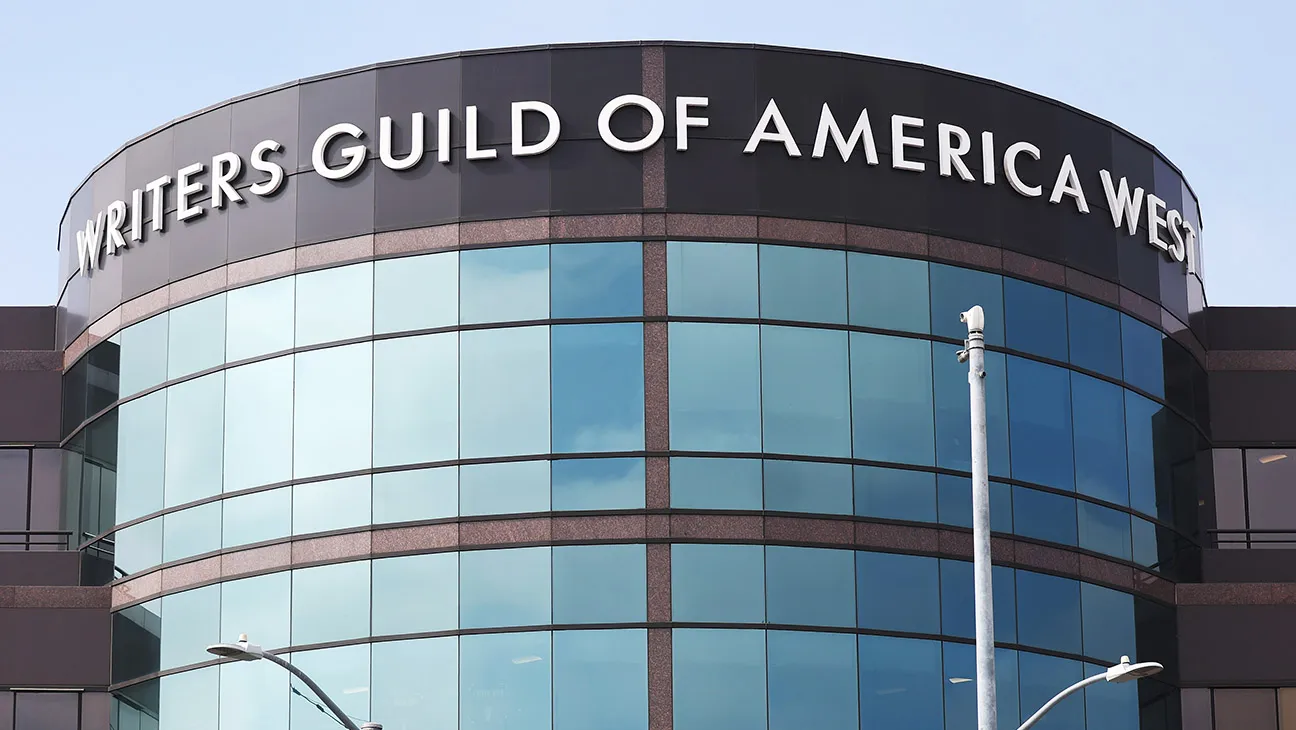
Members of the Writers Guild of America have approved a slate of contract priorities in upcoming labor negotiations with studios and streamers that includes shoring up the union’s health plan, expanding AI protections and improving compensation.
More than 97 percent of participating union members voted to approve the bargaining slate, the union said on Friday.
The pattern of demands released on Friday depicts a labor group that is focused on increasing contributions to its benefits plans and increasing the maximum amount that employers can pay into the plans. As The Hollywood Reporter has previously reported, the WGA’s health fund cumulatively lost $122 million in 2023 and 2024, according to tax returns.
AI will be another point of discussion. Though the protections the WGA enshrined in its contract in 2023 were generally considered strong, the union notes that it wants to expand these as the technology develops.
And like all unions, the WGA is intent on boosting compensation to its members. The pattern of demands says the union will be attempting to increase minimum compensation rates, raising minimums for “page one” rewrites, raising residuals for reuse in streaming and focused on pay rates for writers in post-production as well as comedy/variety, quiz and audience writers.
The union previously went over these objectives with members at meetings at the Sheraton Universal in L.A. on Feb. 11 and at the DC 37 office in New York on Feb. 17. Two more member meetings to discuss these key items were scheduled but were then canceled once the guild’s own West Coast staff members went on strike.
The WGA will begin negotiations with the Alliance of Motion Picture and Television Producers, which represents studios and streamers in labor negotiations, on March 16. This will be the first time that the union has sat down at the bargaining table with these companies — including Netflix, Warner Bros., Universal and Paramount, among others — since it waged a 148-day strike over issues including compensation in the streaming age and generative AI in 2023.
Since then, the industry has undergone a painful contraction that has squeezed employment at all levels of the business. In 2024, one year after the WGA’s strike, writer employment was down 9.4 percent from one year previously (the year of the strike, which de facto restricts employment) and 24.3 percent below 2022, according to the guild’s annual financial report.
More to come.