[ad_1]
By now, everyone knows that YouTube has become a dominant streaming platform on TV sets. But on Wednesday, the Google-owned video giant took things a step further: It is TV.
“Welcome to the YouTube era,” YouTube CEO Neal Mohan declared after stepping on stage at the company’s annual Brandcast upfront event, following a musical performance from Zara Larsson. “For decades, the entertainment industry was built on a series of bets, programming shows based on formulas and focus groups and guessing what would make an audience show up. At YouTube, we didn’t wait for a focus group. We built a stage and empowered anyone with a story to find an audience.”
And some of those creators, as the company made clear, left TV to come to YouTube. That includes the evening’s host: Trevor Noah.
“Some of you may recognize me from stand-up comedy. Some of you may recognize me from my podcast. Some of you might recognize me from The Daily Show. Some of you might recognize me from the Grammys,” Noah told the crowd. “But there is one place where you definitely see me, and that’s on YouTube. These days, everything is on YouTube, everything. Sports, entertainment, interviews, podcasts, you name it.”
But while other companies in upfront week turned their presentations into glorified brand celebrations of everything, with movies and TV shows and theme parks, YouTube did something decidedly old-school: It announced a slate of new shows, from some of its top creators, and asked media buyers to get in on the action.
“An exclusive opportunity with a select group of entertainment of creators,” YouTube chief business officer Mary Ellon Coe said, calling it a “first for the Brandcast stage.”
“A whole new slate of creator shows that you can actually be a part of,” she added. Trevor Noah, Alex Cooper, Jesser and this is just to name a few. They could’ve gone anywhere and they chose YouTube. They chose YouTube to build a home for their most exciting content.”
And the shows announced underscored the unique proposition that YouTube has to offer: it includes creators who started filming stuff on their own and turned that into franchises or even entire media companies, like Jesser (who announces Pros vs. YouTubers), Quen Blackwell (Feeding Starving Celebrities 2.0), Dude Perfect (Squad Games) and Alex Cooper, who unveiled an entire slate of shows for her Unwell Network, including Met Gala docuseries Before the Steps, the competition series Pot Stirrer and microdrama Holiday Hard Launch.
“Legacy media spent decades deciding who we should watch. Their problem is this generation stopped asking for permission,” Cooper told the crowd. “Networks didn’t lose this audience. They never had her. And she doesn’t just watch she shows up, not because of an algorithm. It’s her choice. Her loyalty is not bought. It’s earned. This is why I built a new slate of shows for the Unwell Network exclusively on YouTube. Unwell is what happens when you stop making content for women and you start making it with them. We could be anywhere, but we showed up where she already was. You too.”
Kareem Rahma of Subway Takes unveiled a new show called Keep the Meter Running.
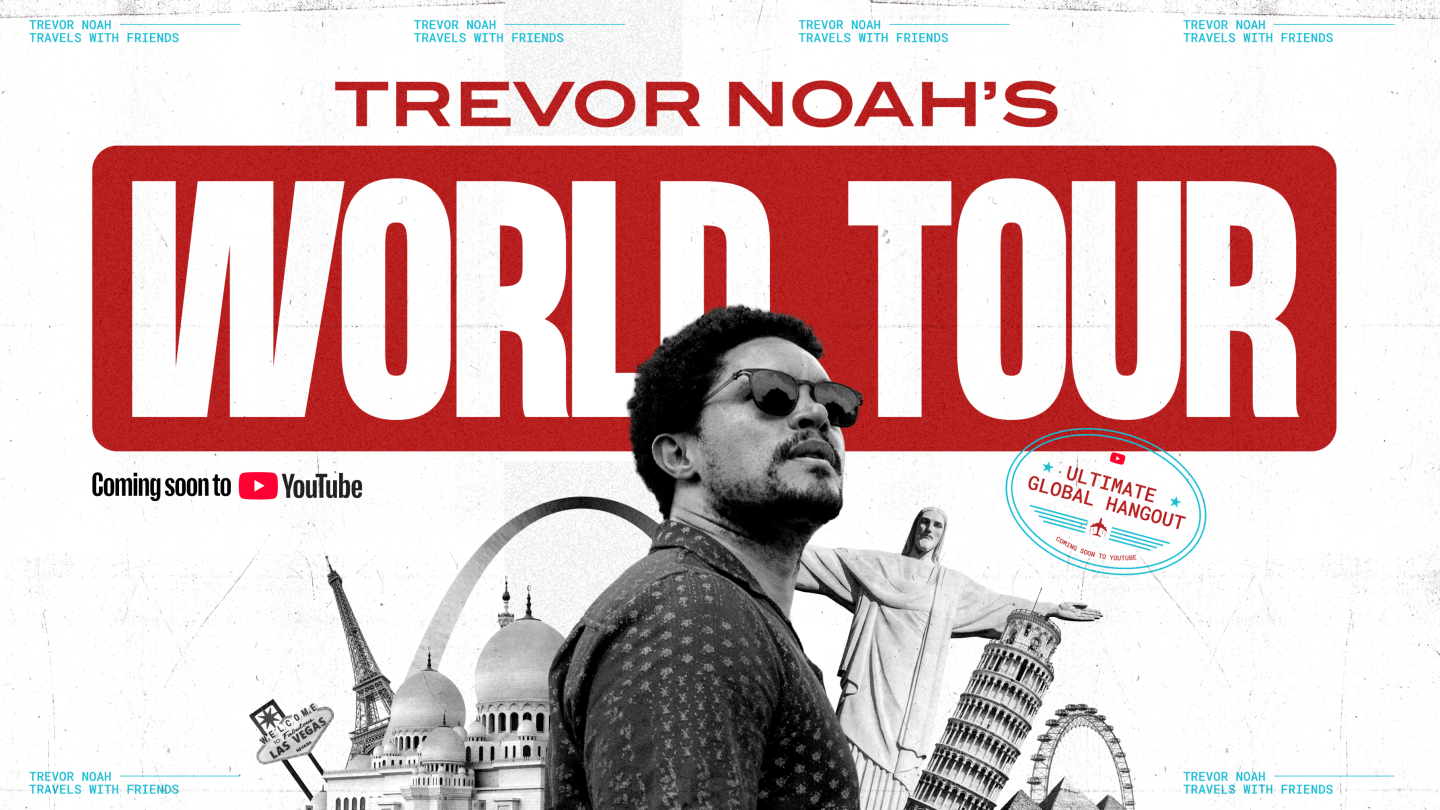
But it also underscores how the platform has become the place where the already-famous come to engage and grow their fandoms. Noah announced Trevor Noah’s World Tour, while former NBA superstar Dwyane Wade announced a new season of his show, Fly on the Wall. Soccer star Erling Haaland is planning a World Cup docuseries and a competition series for the fall called Erling’s Gauntlet.
Sure, YouTube had plenty of tech upgrades, like buy with Google Pay, which will let YouTube viewers on TV buy a product with two clicks, multimodal video creation tools and an affiliate boost program, but the platform’s overarching message was one of confidence and optimism in a week where it felt like legacy media (with the exception of Disney) had truly slipped behind the digital upstarts for good.
So when YouTube ended Brandcast with a set from superstar singer Chappell Roan, it had some extra muscle behind it: She was creating for YouTube years before she became famous.
While everyone else was touting their brands and playing catch-up to the ad tech Google already has, YouTube made it clear that the next generation of consumers and creators has made their choice already, so the ad dollars should continue to follow.